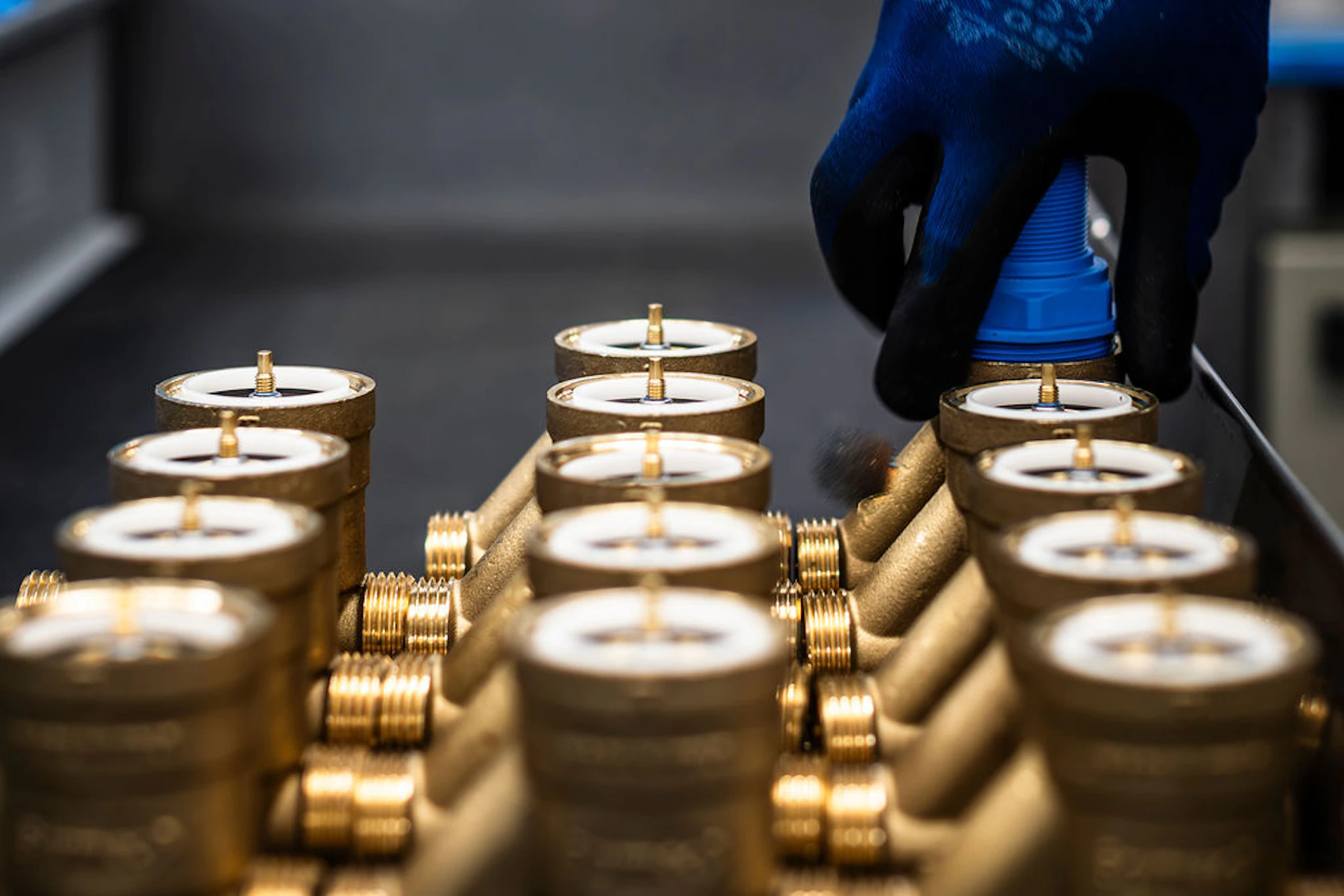
The Essential Guide to Commercial Plumbing Valves

Discover everything you need to know about commercial plumbing valves in this essential guide. Learn how different valve types ensure safety, efficiency, and regulatory compliance in commercial systems.

Author: Charlotte Dale

Charlotte Dale

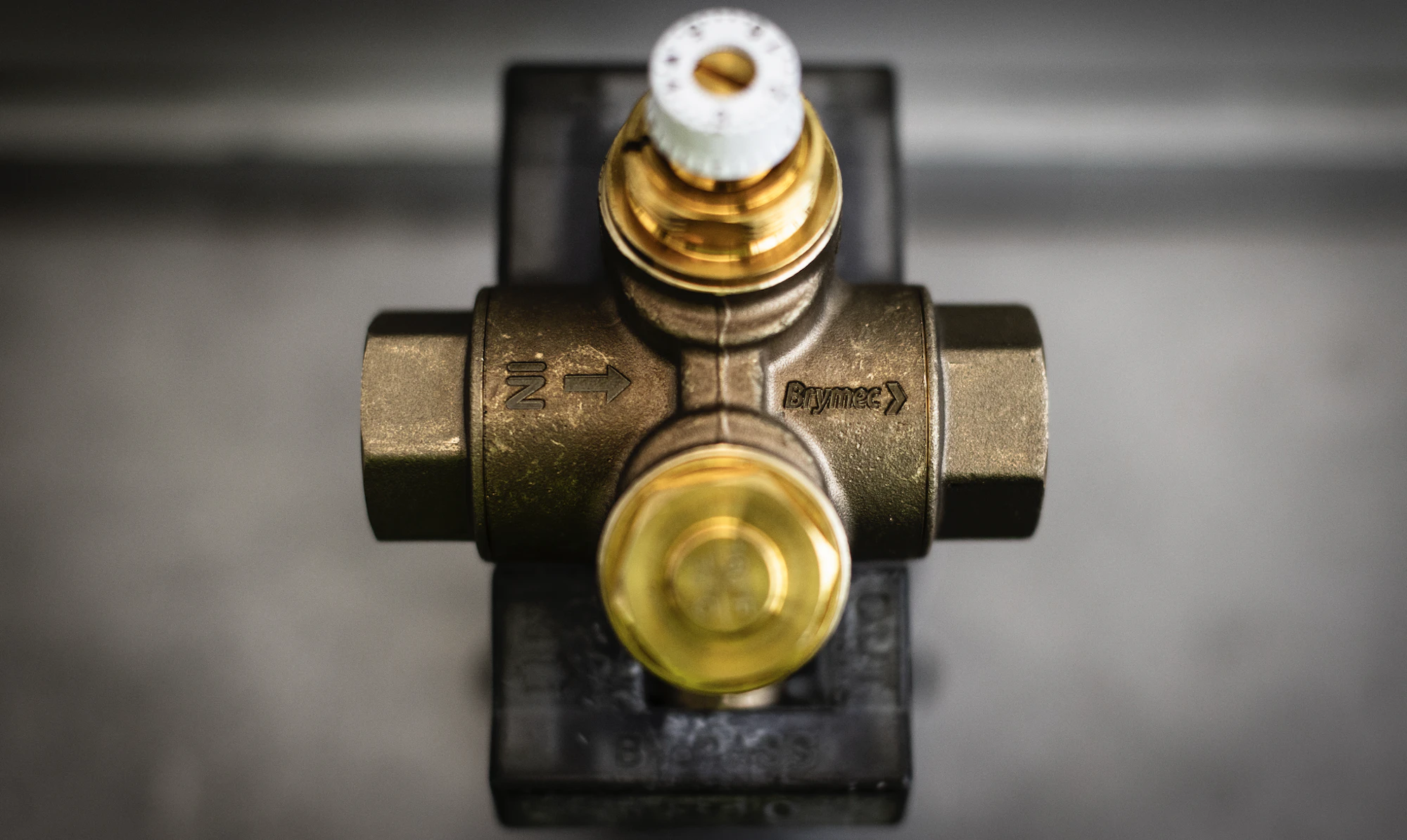
Commercial plumbing valves, play an essential part in the efficiency of any commercial plumbing system, and with such a vast number of plumbing valve types available, it can be daunting to know where to start with a new commercial project.

When choosing plumbing valves for a commercial setting, you’ll want to consider the commercial plumbing conditions you’re installing them in, what they will be used for, and whether they’ll be fitted to a hot, cold or gas supply pipe. Brymec’s devices are designed to control the flow of fluids within pipes, ensuring a regulated and safe operation. If you are about to plan a commercial plumbing application, you need to understand the different types of valves and their functions, together with a firm grasp of regulatory and code requirements, to ensure success in any commercial construction project.

This starts the question: how do you choose the suitable valve for your commercial plumbing system?
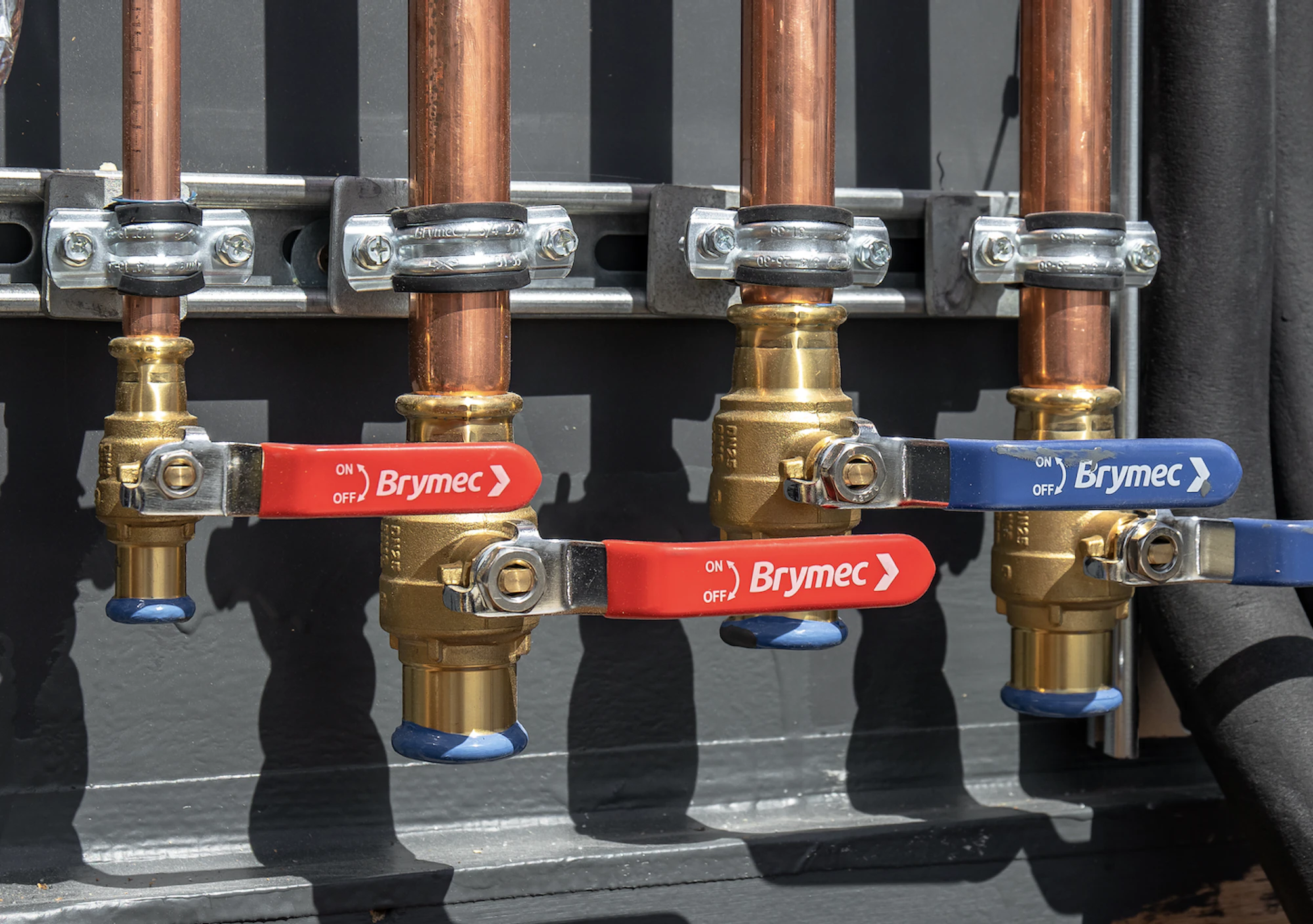
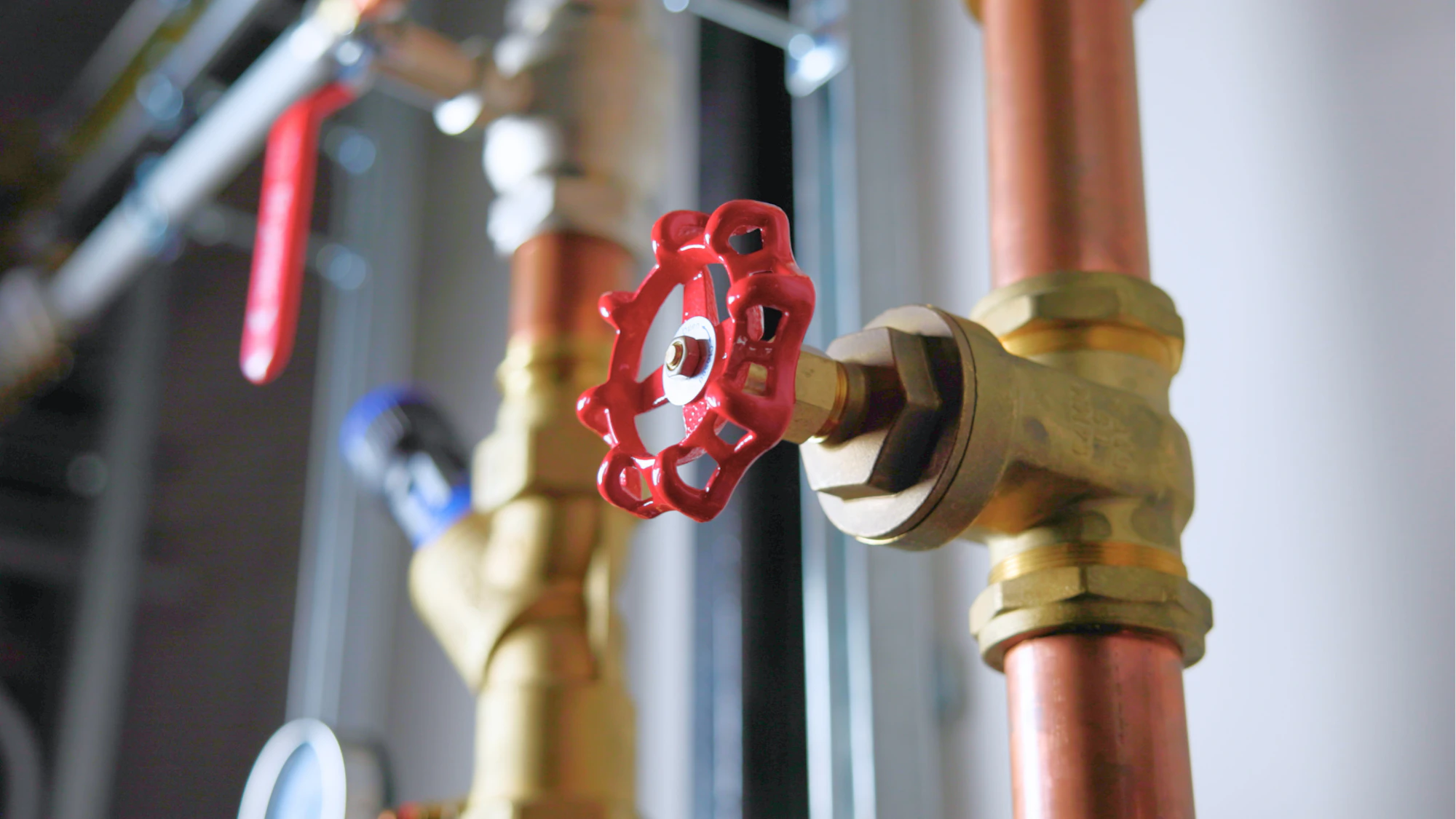
Here is Brymec’s guide on all things commercial piping valves:

Lever Ball Valves

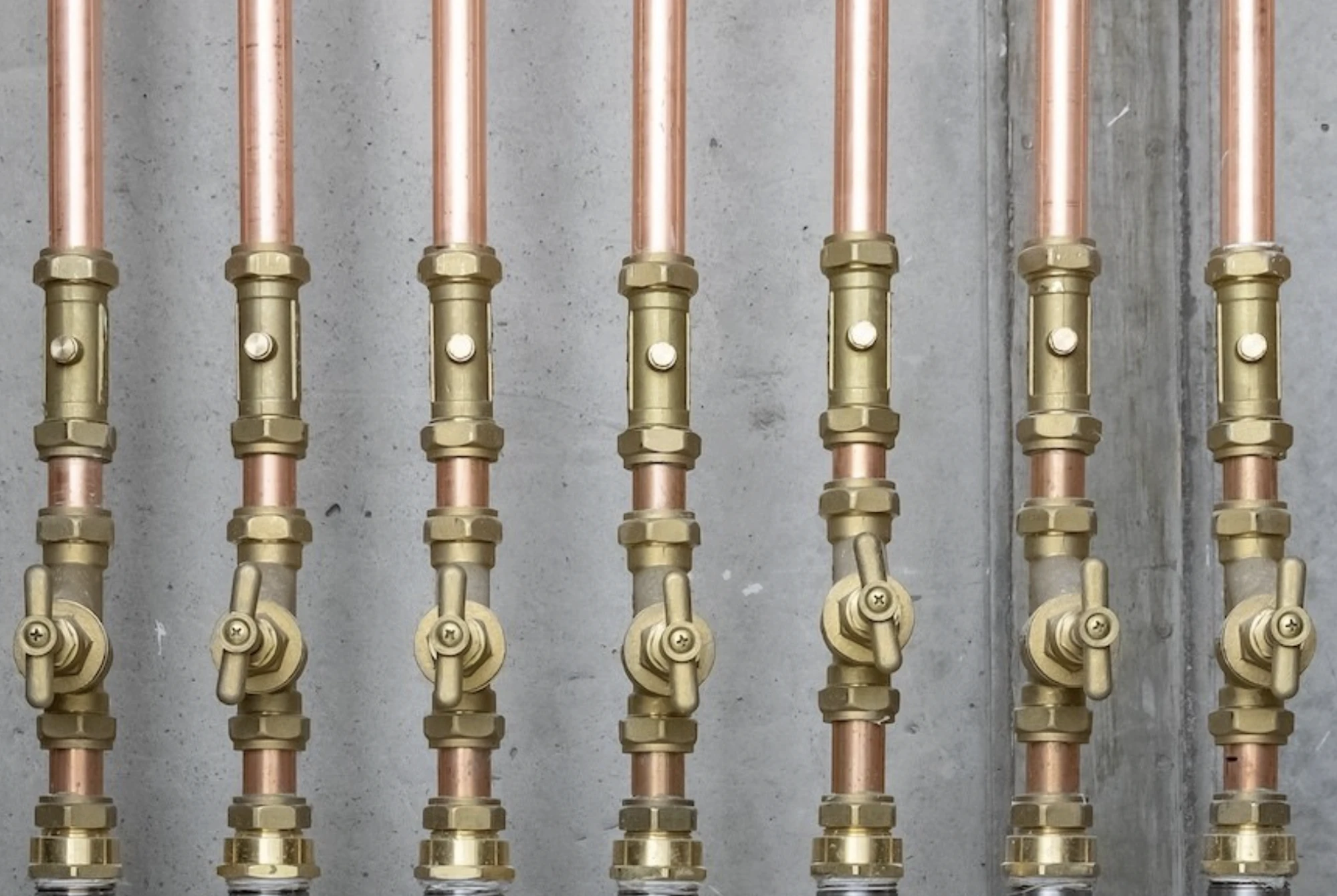
Lever ball valves are used in commercial projects to isolate various parts of a plumbing system and are most commonly found in plumbing systems related to applications such as commercial cooling. Ball valves are installed vertically or horizontally and effectively control the flow of liquid, air or gas through commercial plumbing systems. Contractors often choose a lever ball valve where a shut-off function is required and can be used to divert the flow of liquid in other directions.

How Lever Ball Valves Work

A ball valve has a pivoting ball with a hole in the middle that allows liquids and gasses to pass through when it’s in line with the flow. When the ball is turned it will isolate on a quarter turn action.

The Function of Lever Ball Valves

Lever ball valves are used in many industries, including plumbing, HVAC, water treatment, and oil and gas. They can be used to isolate individual outlets, or to isolate control valves or “Y” strainers for maintenance.

Types of Lever Ball Valves

Brymec supply multiple types of ball valves, with different connection types. This includes threaded connections for steel and compression connections for copper, which is supplied with both red and blue handles, and a yellow version for gas. Brymec also supply a very high quality press-fit valve, to fit seamlessly onto copper press fit systems, which can be used in multiple applications, and are also offered with red and blue handles.

In addition to these ball valve types, Brymec supply many more ball valve types. Check these out on our website.

What Are the Advantages of Lever Ball Valves in Commercial Plumbing?

Ball valves are a valuable piece of equipment for plumbing systems that have many advantages, including:

  • Durability:  Lever ball valves are reliable, durable, and can last for a long time.
  • Low maintenance: Lever ball valves require minimal maintenance and don’t need lubrication.
  • Easy to use: Lever ball valves are quick to operate, with a ¼ turn action that’s easy to use for emergency stop or release valves.
  • Low-pressure drop: Lever ball valves, especially full-bore ball valves, have a low-pressure drop.
  • Reliable sealing: Lever ball valves have a reduced chance of leakage because the ball is securely in the valve.
  • Cost-efficient: Lever ball valves are affordable compared to more complex valve types.
  • Water hammer reduction: Lever ball valves can reduce the impact of the water hammer when closed slowly and smoothly.
  • Versatile: Lever ball valves are suitable for high-pressure applications and are available in different designs.

However, ball valves are less effective at accurately controlling specific flow rates than other valve types, and while ball valves are effective at isolating water flow, they shouldn’t be used for throttling fluids or gases. Doing so can cause the valve to fail, leading to costly repairs of a failed plumbing system and business downtime.

Gate Valves

This type of valve is also known as a water gate or sluice valve, where a gate is raised and lowered by turning the wheel. They isolate a section of pipeline where necessary and can be found in industrial settings such as processing plants, water treatment plants, factories, manufacturing, food production, etc.

How Gate Valves Work

Gate valves have a gate or wedge that slides up and down inside the valve body to open or close the valve. The gate is raised by spinning a threaded stem, which can be operated manually, electrically, and pneumatically.

The Function of Gate Valves

Gate valves are used to shut off flow or allow full flow through a pipeline. They are designed to be in either a fully open or fully closed position and are not intended for regulating flow.

Types Of Gate Valves

Many types of gate valves are suitable for various applications in utility distribution, industrial and HVAC pipeline settings. The typical gate valves used are two forms known as rising stem and non-rising stem. Rising stem gate valves have built-in visual indicators and are easily lubricated. Non-rising stem gate valves are typically used in underground installations.

What Are the Advantages of Gate Valves in Commercial Plumbing?

Gate valves are a type of valve that can have many benefits in commercial plumbing, including:

  • High-pressure and temperature applications: Gate valves can be used in high-pressure and temperature environments and are fire-safe.
  • Minimal pressure loss: Gate valves provide laminar flow, which minimises pressure loss.
  • Reliable operation: Gate valves are trustworthy and can provide a secure closure without frequent maintenance.
  • Durable: Gate valves are durable and have a long service life.
  • Easy to use: Gate valves are simple in design and easy to use.
  • Bi-directional: Gate valves are bi-directional, meaning they can be used in two directions.
  • Minimal torque required: Gate valves require minimal torque to operate, which can save on labour costs.

However, gate valves can be prone to leaking if not appropriately maintained. These valves can be used for throttling, however they are not designed for this purpose as they are more prone to wear and tear if the sealing surfaces rub together. The other thing to note is that they can be very noisy when partially open or closed. Gate valves are perfect for the correct application and used in the proper settings.

Commissioning Valves

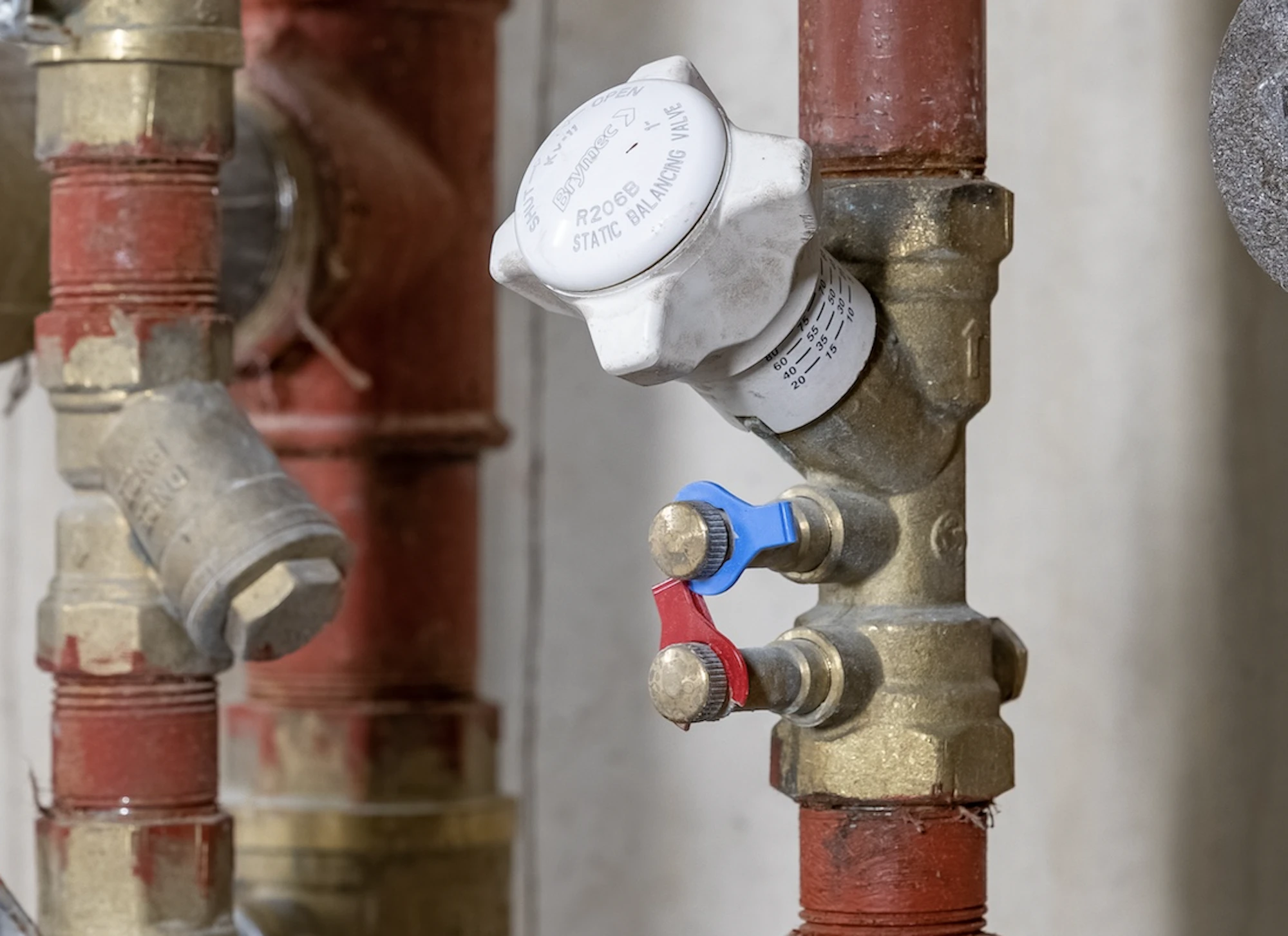
Commissioning valves are used to measure, regulate, and verify flow rates within commercial plumbing and HVAC systems. They play a critical role during system commissioning and ongoing maintenance, ensuring design flow rates are achieved and maintained across the installation. Commissioning valves are commonly used in heating, cooling, and domestic water systems where accurate balancing is required.

How Commissioning Valves Work

Commissioning valves incorporate a fixed or variable orifice that can be adjusted to regulate flow. Most designs include test points that allow either fixed or differential pressure to be measured using commissioning equipment. By comparing pressure readings, installers can calculate flow rates and fine‑tune the system accordingly.

The Function of Commissioning Valves

The primary function of a commissioning valve is to balance flow within a system and provide a reliable method of verifying performance. They are used to:

  • Set and confirm design flow rates
  • Balance circuits across large systems
  • Enable fault finding and recommissioning
  • Support long‑term operational efficiency

Commissioning valves do not act as isolation valves on their own and are typically installed alongside isolation valves to allow safe testing and adjustment. Once set, the valve position can be locked to prevent accidental adjustment, maintaining system balance over time.

Types of Commissioning Valves

Commissioning valves are available in several designs to suit different applications, including fixed orifice commissioning valves, variable orifice commissioning valves, valves with integrated test points, and valves designed for heating, cooling, or combined systems.

What Are the Advantages of Commissioning Valves in Commercial Plumbing?

Commissioning valves provide several key benefits in commercial plumbing and building services systems:

  • Accurate flow balancing: Ensures each circuit receives the correct flow
  • System efficiency: Balanced systems operate more efficiently and predictably
  • Improved comfort: Even distribution of heating, cooling, or hot water
  • Easier commissioning: Integrated test points simplify system setup
  • Ongoing verification: Allows performance checks throughout the system’s life
  • Reduced energy waste: Prevents over‑circulation and unnecessary pump load

Commissioning valves are essential in complex commercial installations where performance, efficiency, and compliance depend on accurate system balancing.

Check Valves

This type of valve allows fluid flow in one direction only, preventing any potential backflow. They are crucial in plumbing environments where the flow reversal could lead to contamination or damage to the system. Typical applications include preventing backflow in sewage systems and protecting pumps. Check valves can also be known as non-return valves or backflow preventers, are one-way valves that control the flow of fluids and gases in plumbing systems.

How Check Valves Work

Check valves are typically a closed component. They are often held closed by a force-producing device within the valve. This force is slight and returns the valve to a closed position. When there is no pressure there is a differential acting on the valve changing the flow direction.

The Function of Check Valves

Check valves prevent backflow by allowing media to flow in one direction and closing to protect the system if the flow reverses.

Types of Check Valves

There are different types of commercial check valves, including double check valves, swing check valves and spring check valves.

What Are the Advantages of Check Valves in Commercial Plumbing?

Check valves have many advantages in commercial plumbing, including:

  • Preventing backflow: Check valves allow fluid to flow only in one direction, which prevents backflow that can damage equipment and systems.
  • Protecting pumps: Check valves protect pumps from damage, and keep systems primed, by preventing backflow when the pump is turned off.
  • Preventing contamination: Check valves prevent mixing different media between two reservoirs, such as treated water and untreated water.
  • Reducing water hammer: Check valves can help reduce the effect of water hammer, especially when equipped with an end-stage damper.
  • Improving system efficiency: Check valves can enhance plumbing systems efficiency by reducing energy consumption and operational costs.
  • Reducing maintenance costs: Rubber check valves are simple devices that reduce overall water and wastewater system maintenance.

However, if check valves are misused, it can cause rapid closure, leading to a water hammer, which is a pressure surge that can damage pipes and equipment. These valves offer limited control over fluid flow, so they should only be used in the correct application.

Butterfly Valves

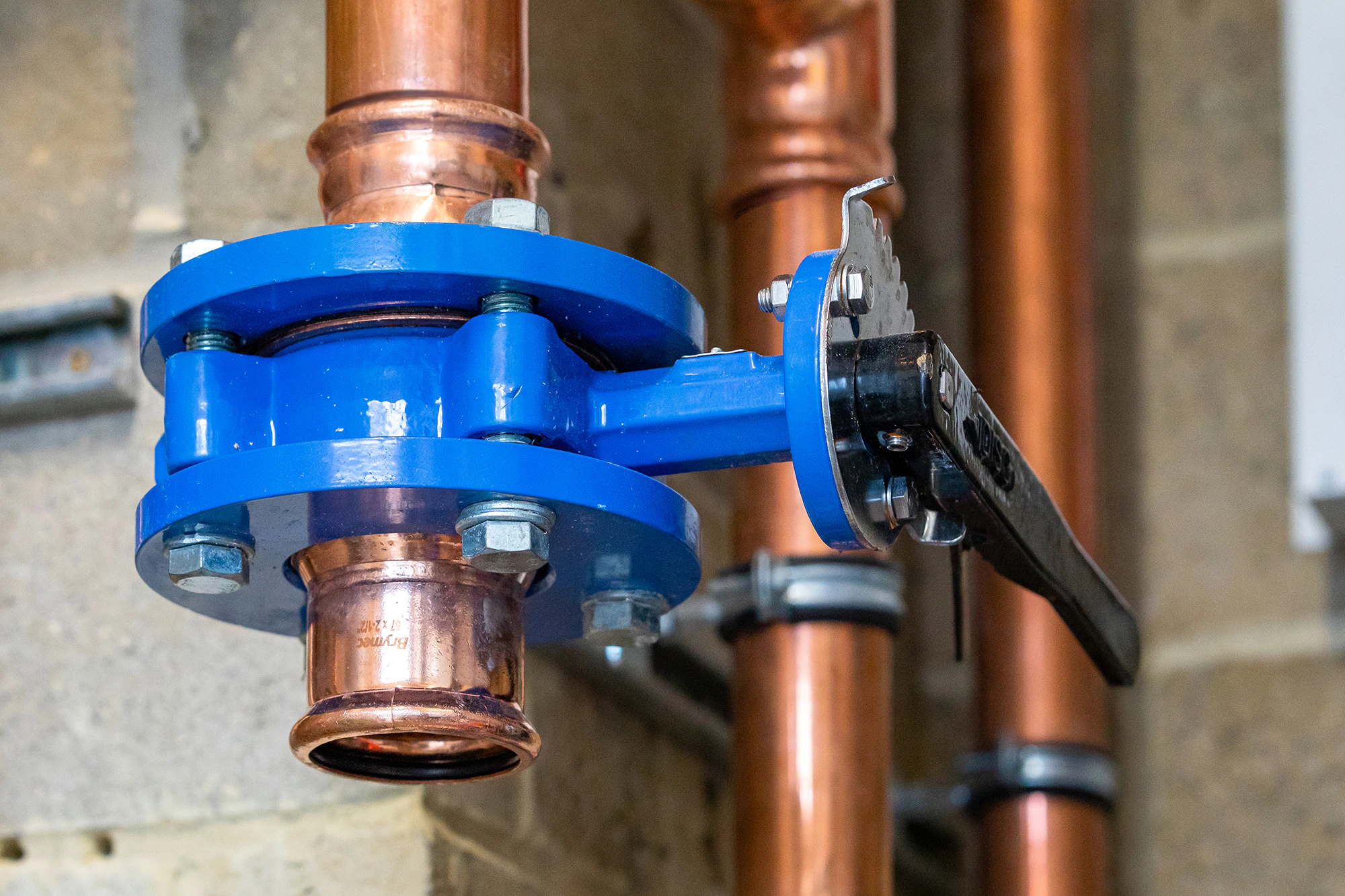
Butterfly valves are one of the most popular options in commercial plumbing. The assembly contains a disc that rotates within the pipe to control the liquid flow as it passes through. It is commonly used in HVAC, water distribution, and chemical processing systems. Butterfly valves are ideal for large pipes and systems requiring quick shut-off.

How Butterfly Valves Work

Butterfly valves have a rotating disc to control the flow by a disc in the middle of the pipe. When opened, the disc is parallel to the flow, allowing free passage. When it is closed, the disc is perpendicular, blocking the flow. When partially open, this valve helps regulate flow by adjusting the passage size.

The Function of Butterfly Valves

These valves control or isolate the flow of liquids and gases, which can be operated manually or with an actuator. A butterfly valve’s primary function is to control the flow of fluids in a pipeline with an on/off function, regulate flow by using throttle or regulate flow and isolation.

Types of Butterfly Valves

There are 3 main butterfly valves: a Lightweight and cost-effective Wafer valve. A semi-lugged version which is more robust, typically used in high-pressure applications, and can be used for system maintenance. And Finally, a fully lugged valve, which provides a secure fit for heavy-duty systems.

What Are the Advantages of Butterfly Valves in Commercial Plumbing?

Butterfly valves have many advantages for commercial plumbing, including:

  • Precision flow control: Butterfly valves are precise and can provide accurate flow control. They can be used in water cooling systems to regulate water flow and prevent overheating.
  • Pressure control: Butterfly valves are suitable for pressure control and experience minimal pressure drop while operating.
  • Quick operation: Butterfly valves can be opened and closed quickly, only requiring a quarter turn.
  • Compact design: Butterfly valves are lightweight and occupy less space than other valves.
  • Low maintenance: Butterfly valves are simple in design and require minimal maintenance.
  • Cost-effective: Butterfly valves are generally cheaper than other types of valves.
  • Versatility: Butterfly valves are compatible with various fluids and applications.
  • Easy to install: Butterfly valves are easy to install and operate.
  • Energy efficient: Butterfly valves can be automated for energy-efficient operation.

Butterfly valves quick on/off operation can cause water hammer, which may stress the piping system when used incorrectly.

Pressure Reducing Valves (PRV)

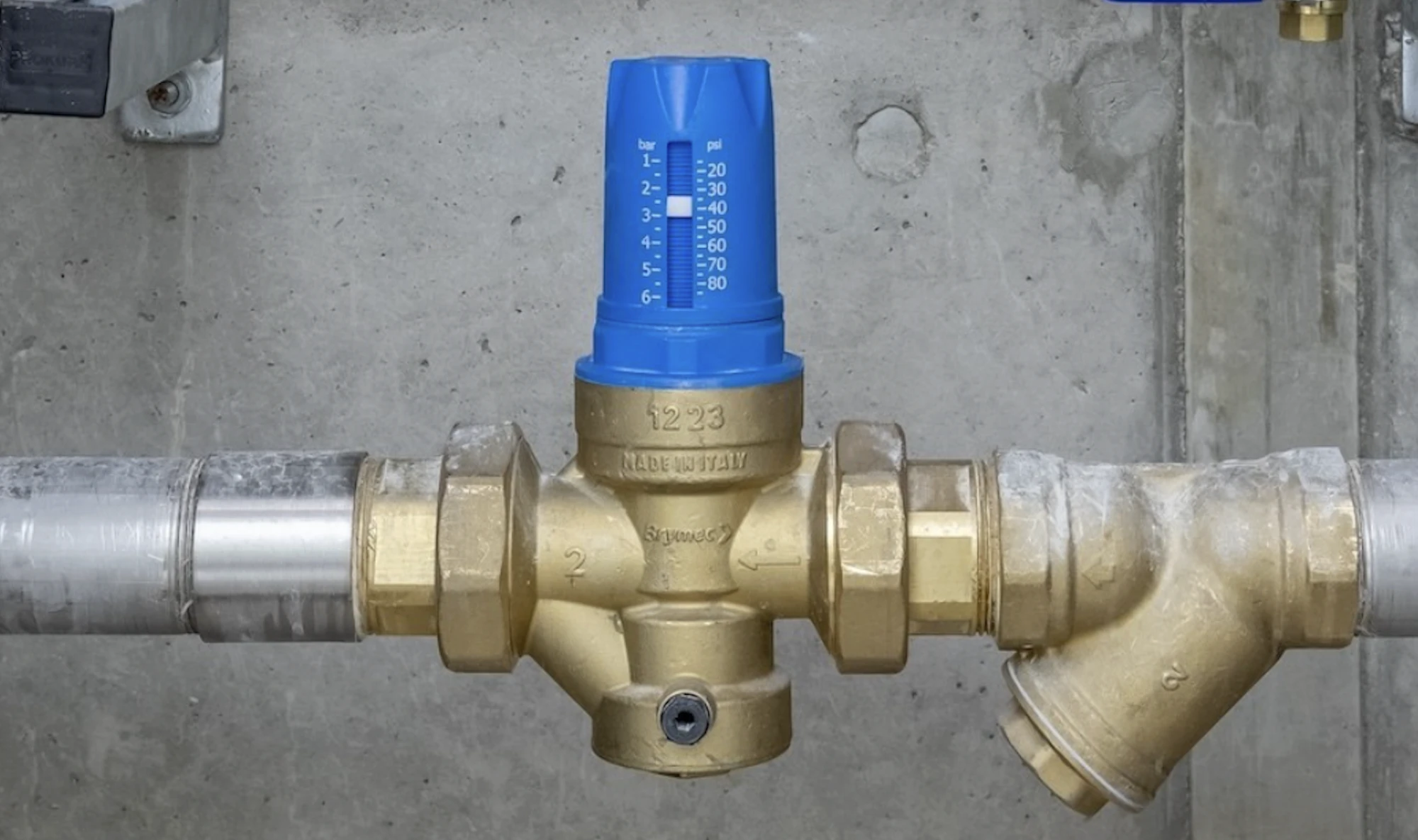
A pressure-reducing valve helps regulate the pressure of water coming into commercial premises from the main pipeline. These valves reduce higher incoming pressure to a preset lower outgoing pressure, which ensures the safety of water use and the longevity of the plumbing system.

How Pressure Reducing Valves Work

Pressure-reducing valves (PRVs) use a spring and diaphragm to regulate water pressure at the inlet and lower pressure at the outlet.

The Function of Pressure Reducing Valves

A pressure relief valve (PRV) is a safety device that prevents equipment and people from being harmed by excessive pressure. It works by automatically opening when the pressure in a system reaches a predetermined level, allowing excess pressure to escape.

Types of Pressure Reducing Valves

Options include male threaded, compression, and flanged valves. Normally with a 1-6 bar rating, and with a maximum inlet pressure of 25 bar.

What are the Advantages of Pressure Reducing Valves in Commercial Plumbing?

PRVs are essential for maintaining efficient and safe plumbing systems in commercial settings and are proven to be a cost-effective solution for commercial environments. Other benefits include:

  • Protection of Plumbing Fixtures: PRVs help regulate and reduce water pressure, protecting pipes, taps, and other fixtures from damage caused by excessive pressure.
  • Energy Efficiency: By maintaining optimal water pressure, PRVs reduce water consumption and energy usage, leading to lower utility costs, especially in large commercial buildings.
  • Extended Equipment Lifespan: Controlled pressure minimises wear and tear on plumbing equipment, extending the lifespan of boilers, water heaters, and other pressure-sensitive devices.
  • Prevention of Water Hammer: PRVs reduce the risk of water hammer, which are pressure surges that can cause loud banging noises and damage to the plumbing system.
  • Consistent Pressure: PRVs ensure consistent and stable water pressure throughout the building, improving the performance of appliances and enhancing user comfort.
  • Compliance with Regulations: Many building codes require PRVs to limit water pressure to safe levels, ensuring the plumbing system meets safety standards.

Pressure reducing valves can suffer from clogging or reduced efficiency due to sediment buildup, especially in areas with poor water quality. Additionally, if not properly maintained or calibrated, they may cause inconsistent water pressure, leading to performance issues in the plumbing system.

Thermal Balancing Valves (TBV)

Thermal Balancing Valves are designed for use in domestic hot water (DHW) recirculation systems in commercial buildings. They automatically regulate flow based on temperature, ensuring consistent hot water delivery, system balance, and improved hygiene across the entire installation.

TBVs are typically used in large buildings such as hospitals, hotels, schools, and leisure facilities where centralised hot water production and long pipe runs are common.

How Thermal Balancing Valves Work

Thermal balancing valves regulate flow according to water temperature. As water temperature changes, the internal thermostatic element adjusts the valve opening to increase or restrict flow. This ensures that the target return temperature is maintained throughout the system.

The Function of  Thermal Balancing Valves

Thermostatic balancing valves are intended for centralised production and distribution systems for domestic hot water (DHW) equipped with recirculation.

Their primary functions are to maintain consistent hot water temperatures, automatically balance flow across all branches, support disinfection cycles, and protect against Legionella growth.

By responding automatically to temperature variations, TBVs continuously balance the system without the need for manual adjustment.

Types of Thermal Balancing Valves

Brymec Thermal Balancing Valves are available in two models:

  • TB30: Thermostatic Balancing and Antilegionella Disinfection thermostatic device
  • TB50: Thermostatic Balancing and Antilegionella Disinfection device with thermoelectrical actuator
What Are the Advantages of Thermal Balancing Valves in Commercial Plumbing?

Brymec Thermal Balancing Valves (TBVs) are designed for use in DHW recirculating systems to provide user comfort, hygiene, and high system efficiency.

Key advantages include:

  • Automatic system balancing: Flow is regulated based on temperature, maintaining balance across the entire building
  • Improved user comfort: Faster hot water delivery at outlets
  • Hygiene protection: Supports thermal disinfection and Legionella control
  • Energy efficiency: Prevents over‑circulation and reduces heat losses
  • Reduced commissioning time: Eliminates the need for manual rebalancing
  • Building‑wide consistency: Ensures stable return temperatures throughout the system

Valves are equipped with either an automatic or thermally‑actuated bypass for disinfection purposes, helping protect against Legionella while maintaining system performance.

Thermostatic Mixing Valves (TMV)

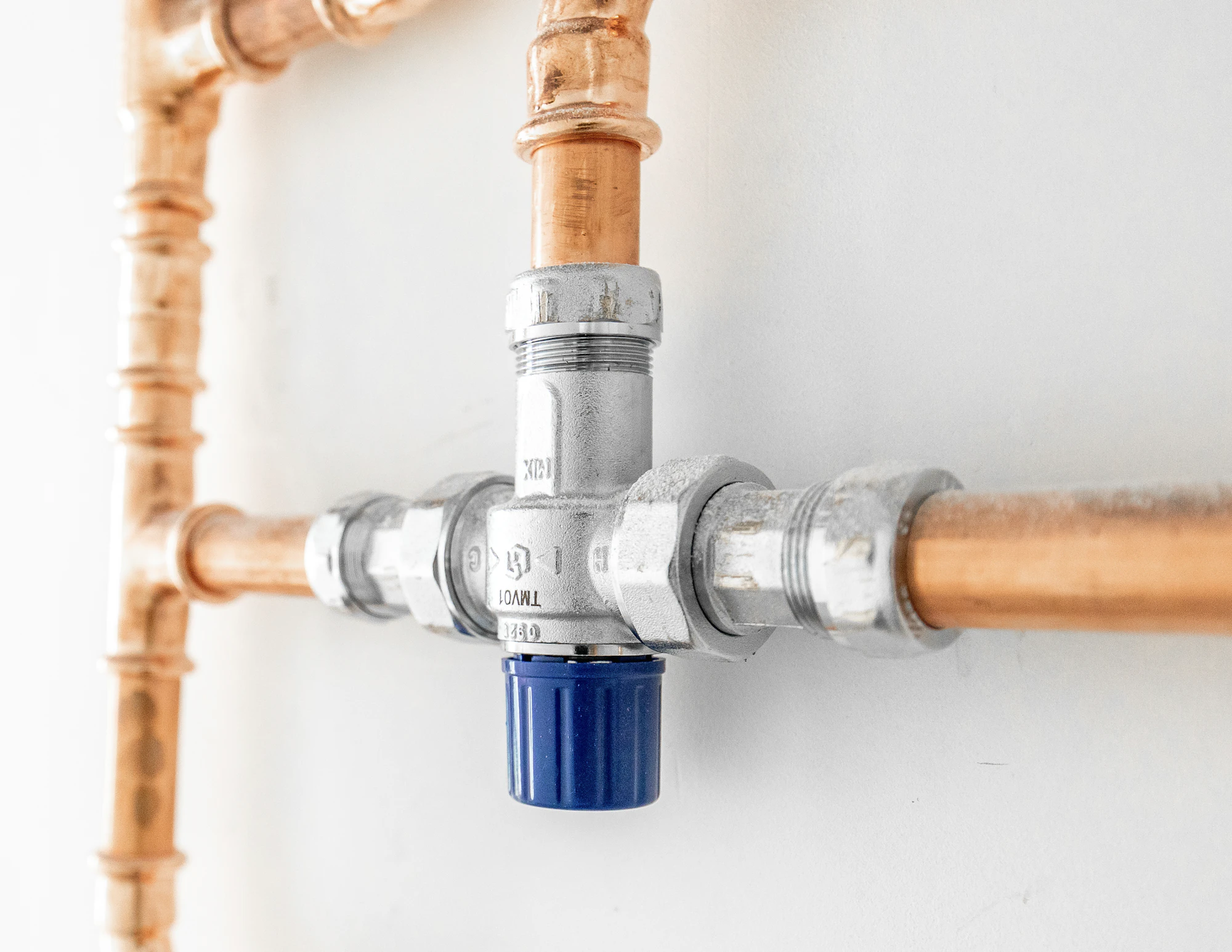
Thermostatic valves, or blending valves, are designed to control the temperature in plumbing systems by mixing the cold and warm water supply to a set temperature. These are usually used in showers and taps to ensure comfort for the user. TMVs are a vital component of commercial plumbing systems that blend hot and cold water to maintain a safe temperature and are used in various settings, including schools, hospitals, hotels, leisure facilities and many more commercial settings.

How Thermostatic Mixing Valves Work

These valves use thermally sensitive material that expands and contracts with temperature changes. When the temperature expansion and contraction happens, the TMV valve adjusts position and changes the flow path of the thermal fluid to a heating element.

The Function of Thermostatic Mixing Valves

As previously mentioned, TMVs are used for outlet water temperature control but also for safety due to their fail-safe mechanism that shuts off the water flow if the cold-water supply fails. TMVs also contribute to water conservation by reducing hot water consumption by maintaining a lower temperature. This function also creates public safety as TMVs are essential in public settings like schools and hospitals, ensuring a safe water temperature throughout the building.

Types of Thermostatic Mixing Valves

There are two types of Thermostatic mixing valves known as TMV2 and TMV3. The main difference between the two comes down to water pressure and speed of operation. TMV2 is primarily used in domestic environments and works with water pressure from 0.1 – 5 bar. TMV3 are commonly used in commercial and public sector environments.

What Are the Advantages of Thermostatic Mixing Valves in Commercial Plumbing?

Thermostatic Mixing Valves (TMVs) have many advantages in commercial plumbing, including:

  • Safety: TMVs prevent scalding and ensure water safety by mixing hot and cold water to ensure a safe temperature. They are essential in areas with vulnerable users, such as children, the elderly, and people with disabilities.
  • Sanitation: TMVs reduce the need to touch surfaces by pre-mixing water at the point of use.
  • Legionella prevention: TMVs help prevent the growth of Legionella bacteria, which can cause bacterial pneumonia.
  • Tamper-proof: Some TMVs resist tampering, which is essential in high-traffic areas.
  • Consistency: TMVs maintain a consistent water temperature, even when other fixtures are used.
  • Compliance: TMVs comply with government health and safety standards for use in hospitals, schools, and other locations.

Thermostatic mixing valves can be sensitive to mineral buildup or corrosion so commercial water filters may need to be considered, especially in hard water environments. Additionally, improper calibration can result in fluctuating water temperatures, potentially compromising user comfort and safety.

Solenoid Valves

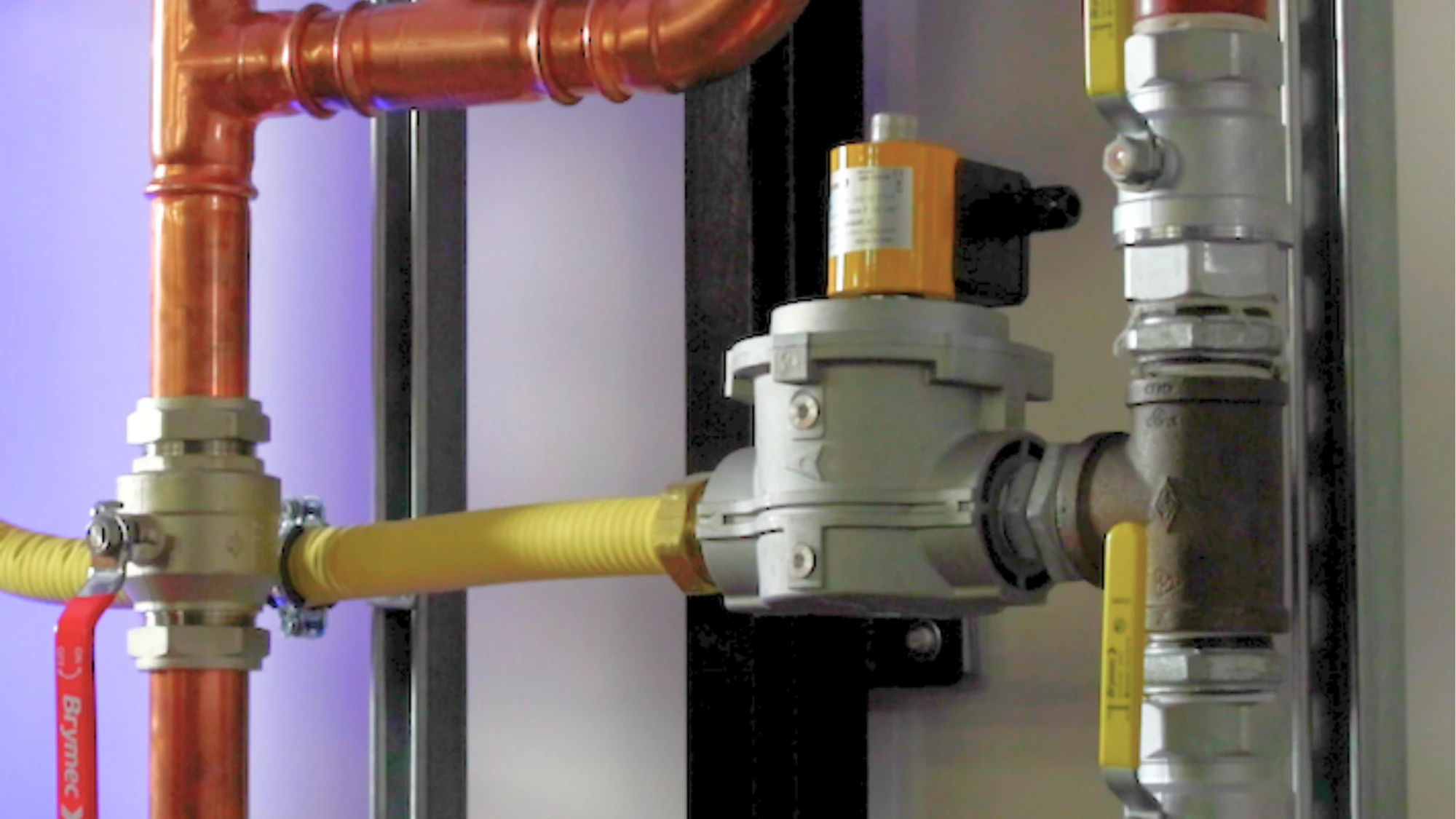
Solenoid valves are driven by electrical signals from a control panel or a wireless device to control flow rates in systems where remote or automated control of fluid flow is required. This could be if the valve is in a difficult-to-reach location.

How Solenoid Valves Work

When energized, a solenoid valve’s coil creates a magnetic field that moves a plunger up and down, opening or closing a valve to allow or stop fluid flow.

The Function of Solenoid Valves

In commercial plumbing, solenoid valves regulate the flow of liquids and gases, such as water, air, oil, steam, or refrigerant.

Types of Solenoid Valves

There are many solenoid valves, including poppet, diaphragm, and piston valves. Some other types of solenoid valves include:

  • Pilot valves: These valves use low power and can work with smaller controllers, power supplies, or batteries.
  • Direct-acting solenoid valves: These valves are the simplest type, where the solenoid directly controls the valve’s opening and closing.
  • 3-way solenoid valves: These valves have one inlet and two outlets and divert flow between two paths.
What Are the Advantages of Solenoid Valves in Commercial Plumbing?

Solenoid valves offer several advantages in commercial plumbing applications due to the efficiency, reliability, and ease of control. Here are some other vital benefits they provide in commercial plumbing:

  • Precise Control: Allows accurate regulation of fluid flow and integrates well with automated systems.
  • Energy Efficiency: Uses power only when switching states, saving energy in intermittent use.
  • Fast Response: Opens and closes quickly, ideal for systems needing rapid actuation.
  • Cost Saving: When used with other devices it shuts down in order to save energy and water, which in turn saves cost.
  • Compact Size: Fits in tight spaces, useful for space-limited installations.
  • Low Maintenance: Fewer moving parts in these valves mean less wear and reduced maintenance.
  • Remote Operation: This can be controlled centrally, ideal for large buildings.
  • Durability: Resistant to corrosion and wear, suitable for various liquids.
  • Versatile: Works across different applications, pressures, and temperatures.

Solenoid valves can be susceptible to failure in dirty or contaminated fluid environments, as debris can clog the valve and affect operation. Additionally, they require a continuous electrical supply to function, which can lead to higher energy consumption and potential system downtime if power issues arise.

Pressure Relief Valves

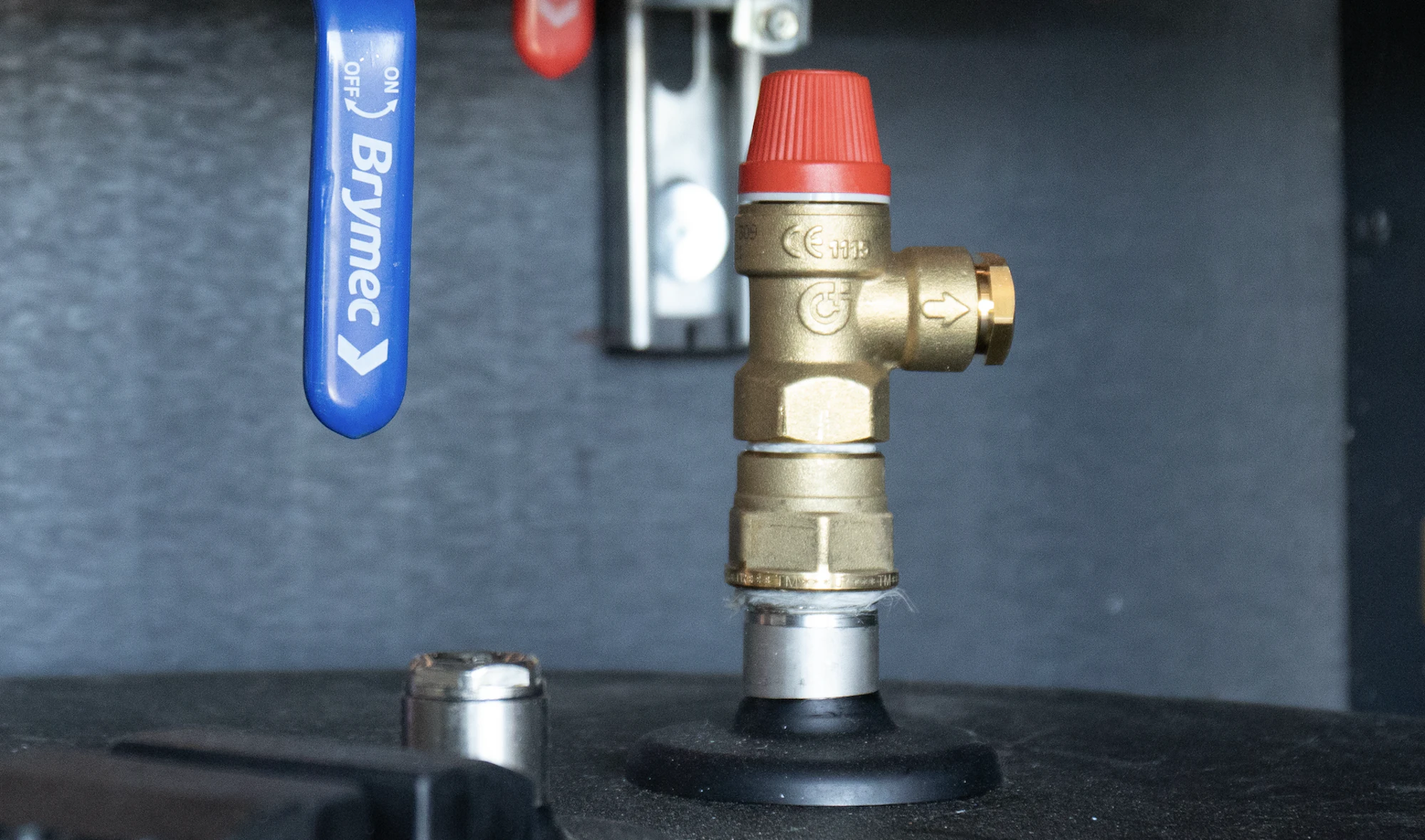
Pressure relief valves, also known as safety valves, expansion relief valves, or blow-off valves, act as safety valves that protect plumbing systems from excessive pressure. It releases pressure if the system exceeds a preset level, preventing potential damage to, or complete failure of, the plumbing infrastructure.

How Pressure Relief Valves Work

Automatically open and release excess pressure when it reaches a predetermined level.

Function of Pressure Relief Valves

Pressure relief valves (PRVs) in commercial plumbing systems are a safety feature that prevents a system from over-pressurizing and causing damage to people or machinery. They also help with water conservation by reducing water consumption. These valves lower the flow rate and outlet pressure, which helps reduce noise from the plumbing system.

Types of Pressure Relief Valves

PRVs can be made from various materials, including brassware, aluminium, plastic, and stainless steel. There are several different types of pressure relief valves, so no matter your chosen application, there is a suitable one. A popular option is a spring-loaded valve, whilst other choices include vacuum relief valves, low-lift valves, full-lift valves, and temperature-actuated valves.

What Are the Advantages of Pressure Relief Valves in Commercial Plumbing?  

Pressure relief valves in commercial plumbing systems can help with several issues, including:

  • Protects Equipment: Releases excess pressure to prevent damage to pipes and components.
  • Ensures Safety: Reduces accidents, leaks, or explosions risks by regulating pressure.
  • Prolong System Lifespan: Minimizes wear and tear, extending the life of plumbing systems.
  • Prevents Downtime: Prevents pressure-related failures, reducing costly repairs and downtime.
  • Regulatory Compliance: Ensures systems meet safety standards and building codes.
  • Automatic Operation: Respond to pressure changes without manual intervention, reducing monitoring needs.

Pressure relief valves can be prone to leakage or malfunction if debris or corrosion interferes with their operation. Additionally, they require regular maintenance to ensure proper calibration, as incorrect settings can either fail to protect the system or result in unnecessary pressure releases.

Regulatory and Codes Requirements for Commercial Plumbing Valves

Brymec understands that safety and reliability are vital to successful commercial installations for commercial plumbing systems. Brymec’s commercial plumbing products are consistent with tested and regulated high performance and total compliance. Various regulations and building codes govern plumbing valves’ correct installation and maintenance. These codes ensure that all commercial plumbing valves operate efficiently, safeguarding the entire system from potential hazards. It is critical to know the key valve types and their role in meeting essential regulatory and code requirements.

There are several regulations and codes that all commercial plumbing valves must meet, including:

  • Water regulations – Valves must be approved by WRAS, KIWA, or REG4.
  • European and British Standards – Pressure-reducing valves and backflow prevention valves must comply with European and British Standards, such as BSEN1567 for pressure-reducing valves.
  • TMV2 or TMV3 schemes – Commercial buildings should comply with the TMV2 or TMV3 schemes, depending on the property’s use. TMV2 is best for most commercial buildings, while TMV3 is designed for healthcare settings.
  • Water Supply (Water Fittings) Regulations 1999 -These regulations cover plumbing systems’ design, installation, operation, and maintenance. They ensure that water fittings are of an appropriate quality and standard and fit for purpose.
  • National standards – Pipes and piping components are usually manufactured to meet national standards, such as ASME B31 Code for Pressure Piping or BS 1560 Circular Flanges for Pipes, Valves and Fittings.

Brymec’s plumbing valves are approved and regulated to ensure all our commercial projects comply with the latest regulations. If you require more information about our compliance, please don’t hesitate to contact us or see our other articles for more information.

Commercial Plumbing Valves and Plumbing Supplies in London and Across the UK

Brymec is an expert commercial plumbing valve manufacturer and distributor of commercial plumbing products, all of which are regulated and compliant and have a long list of commercial valve options.

All our commercial plumbing products are guided by innovation and efficiency, coupled with our Brymec Breeze service, giving you the best quality plumbing supplies for commercial settings and a fast, reliable next-day delivery service, ensuring your commercial project runs smoothly and efficiently.

Please speak with one of our expert team on 0333 000 55 55 or contact us here for more information.

If you need any further information or need to place an order, please don’t hesitate to get in touch.