Fire Testing, Product Transparency, and The Evidence Behind Safer Specifications

In today’s regulatory environment, assumptions about fire performance are no longer enough. Brymec has invested in comprehensive fire testing to confirm the Fire Classification of our drainage system materials thereby providing the transparency, traceability and technical evidence needed to support informed specification decisions.

Author: Jeremy Douglas

Jeremy Douglas

BS EN 13501-1: Fire Classification of Construction Products

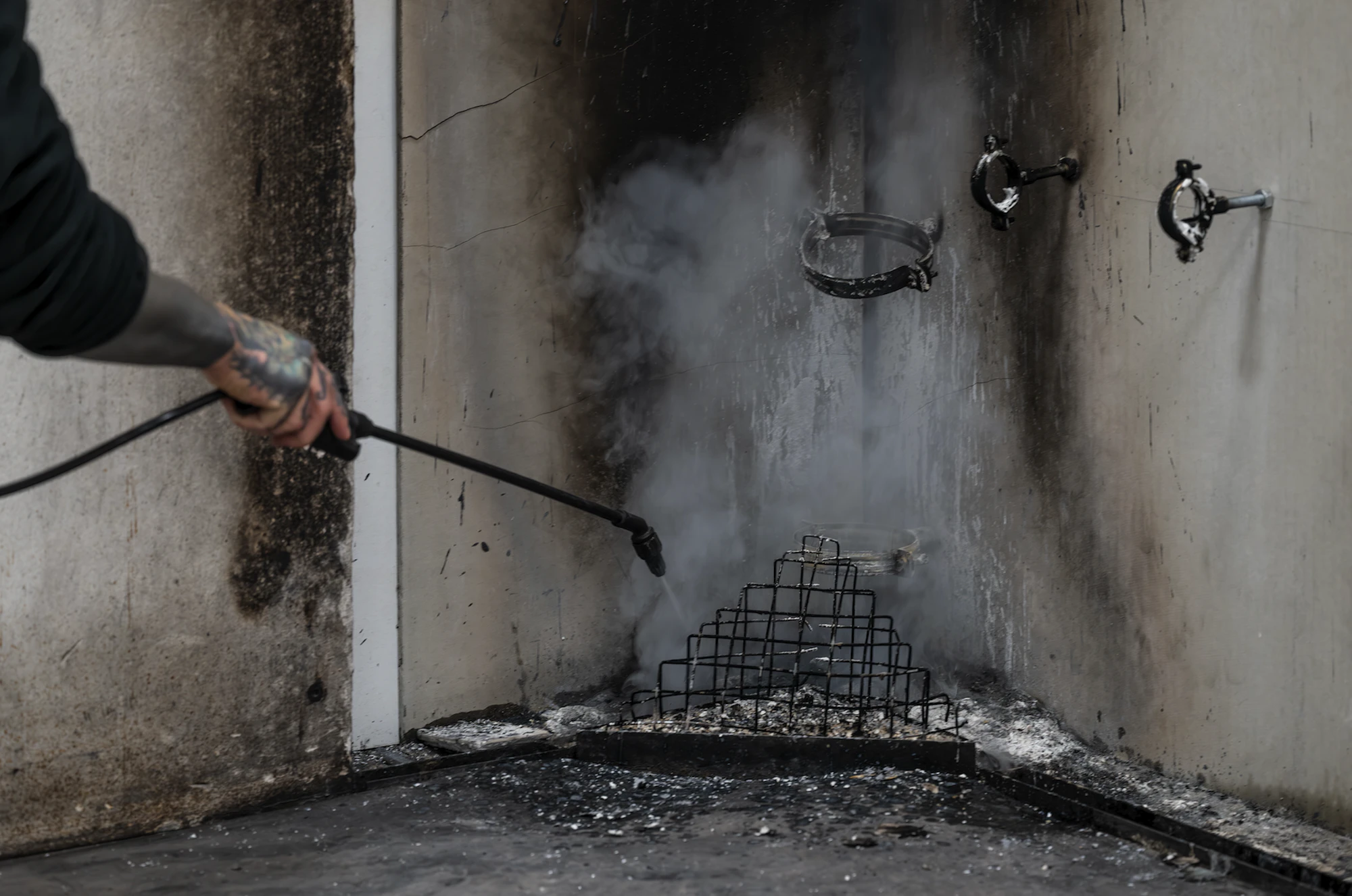
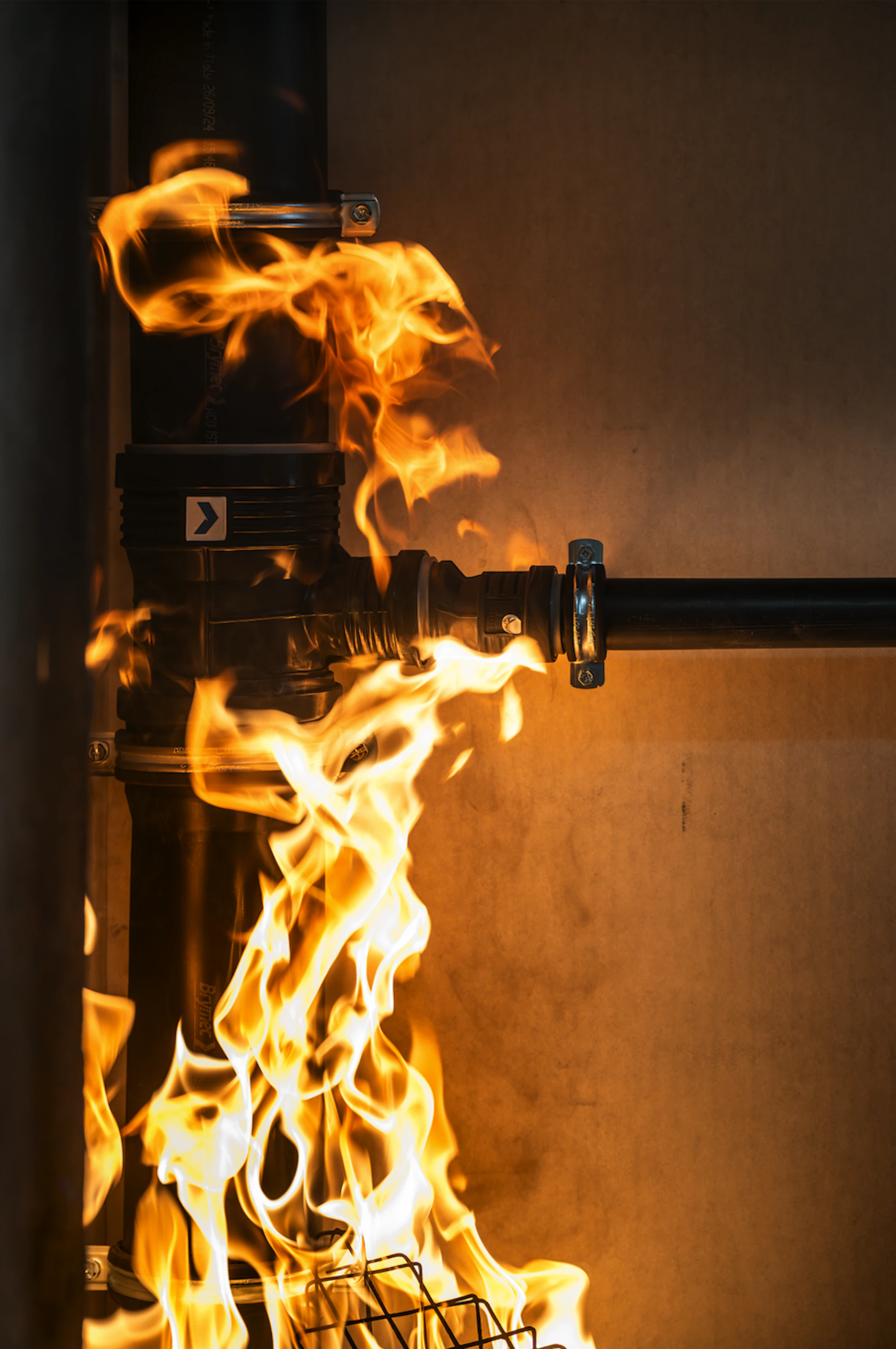
We’re pleased to announce that Brymec drainage systems now have documented fire classifications, supported by independent testing and DoP’s and additional Product Performance Declarations (PPD’s) for non-designated products.

Covering Cast Iron Drainage, HDPE Drainage, PVC-U Drainage, and VOX dB12 Acoustic Drainage, the programme provides consultants and contractors with verified information on how these materials perform in the event of a fire.

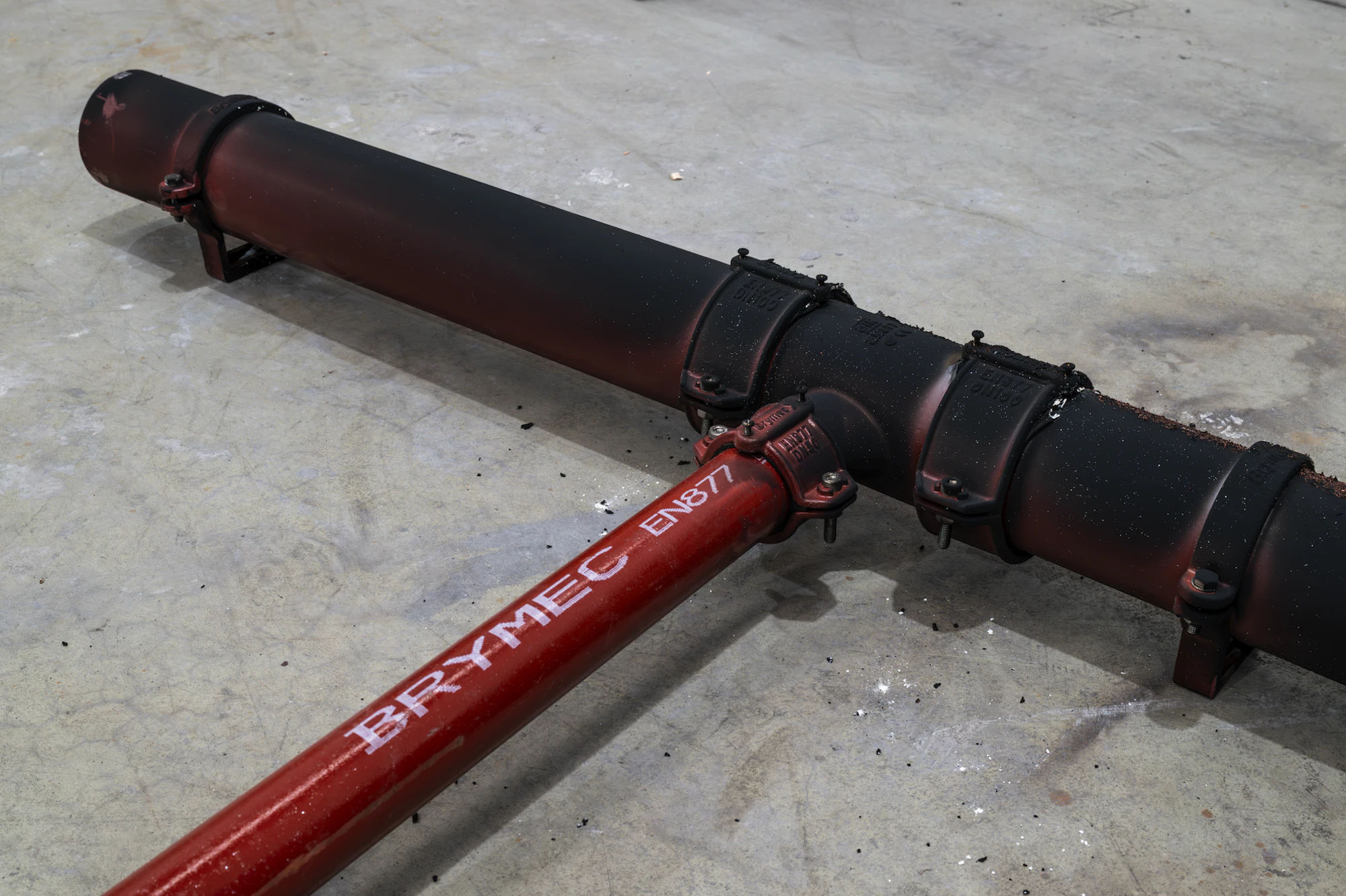
For Cast Iron Drainage, this builds upon the requirements of EN 877 and its existing reaction-to-fire classification. For our polymer drainage systems, Brymec has voluntarily undertaken additional testing and developed PPD’s where no equivalent requirement exists within the relevant product standards.

The result is a consistent documented approach to fire performance across the Brymec drainage portfolio, providing project teams with information that can support design decisions, technical submissions, and building safety requirements.
The Importance of Fire Testing

Since the Grenfell Tower tragedy, the building services industry has undergone a significant shift in how product performance is evaluated, documented, and communicated.

The Hackitt Review identified major weaknesses in product information, testing, accountability and record-keeping, and called for a more transparent and evidence-based approach to building safety. Central to the report was the need for reliable product information and a robust “Golden Thread” of building data that can be maintained throughout the life of a building.

The principle of the Golden Thread of information is that critical building safety information should be accurate, accessible, maintained, and available throughout the life of a building. Information that cannot be evidenced cannot meaningfully contribute to the Golden Thread.

For consultants and contractors, the Hackitt Report has increased the importance of being able to access verified information rather than relying on historical assumptions of generic product claims.

For manufacturers, it has created greater responsibility to ensure that product performance is proven, documented, and available to those responsible for design, construction, occupation, and maintenance.

“It is incumbent on the manufacturer to ensure that the products’ fire performance is accurately tested and reported” – Dame Judith Hackitt, Building a Safer Future: Independent Review of Building Regulations and Fire Safety (Interim Report), December 2017

A Changing Regulatory Landscape

The Fire Safety Act, building safety act (2022), and Fire Safety (England) Regulations 2022 have collectively increased expectations around transparency, accountability and the availability of building safety information. The regulations introduced additional requirements relating to information management, documentation, and the provision of accurate building information throughout a building’s lifecycle.

Alongside this, Approved Document B continues to transition towards European fire classification standards under BS EN 13501, replacing historic classifications such as BS 476. This has increased the importance of having clearly documented and independently verified fire performance data available to project teams.

Understanding Fire Classification

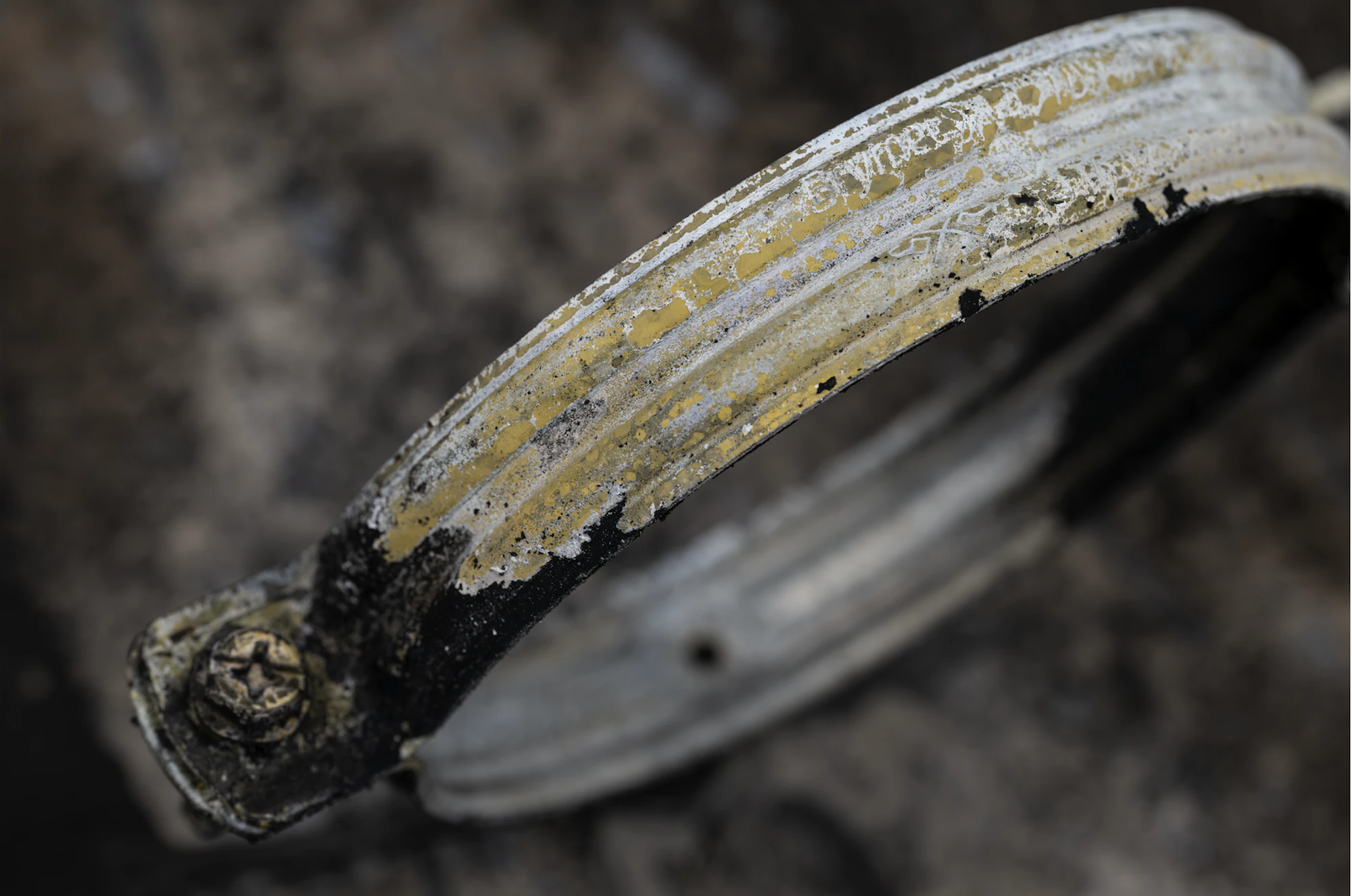
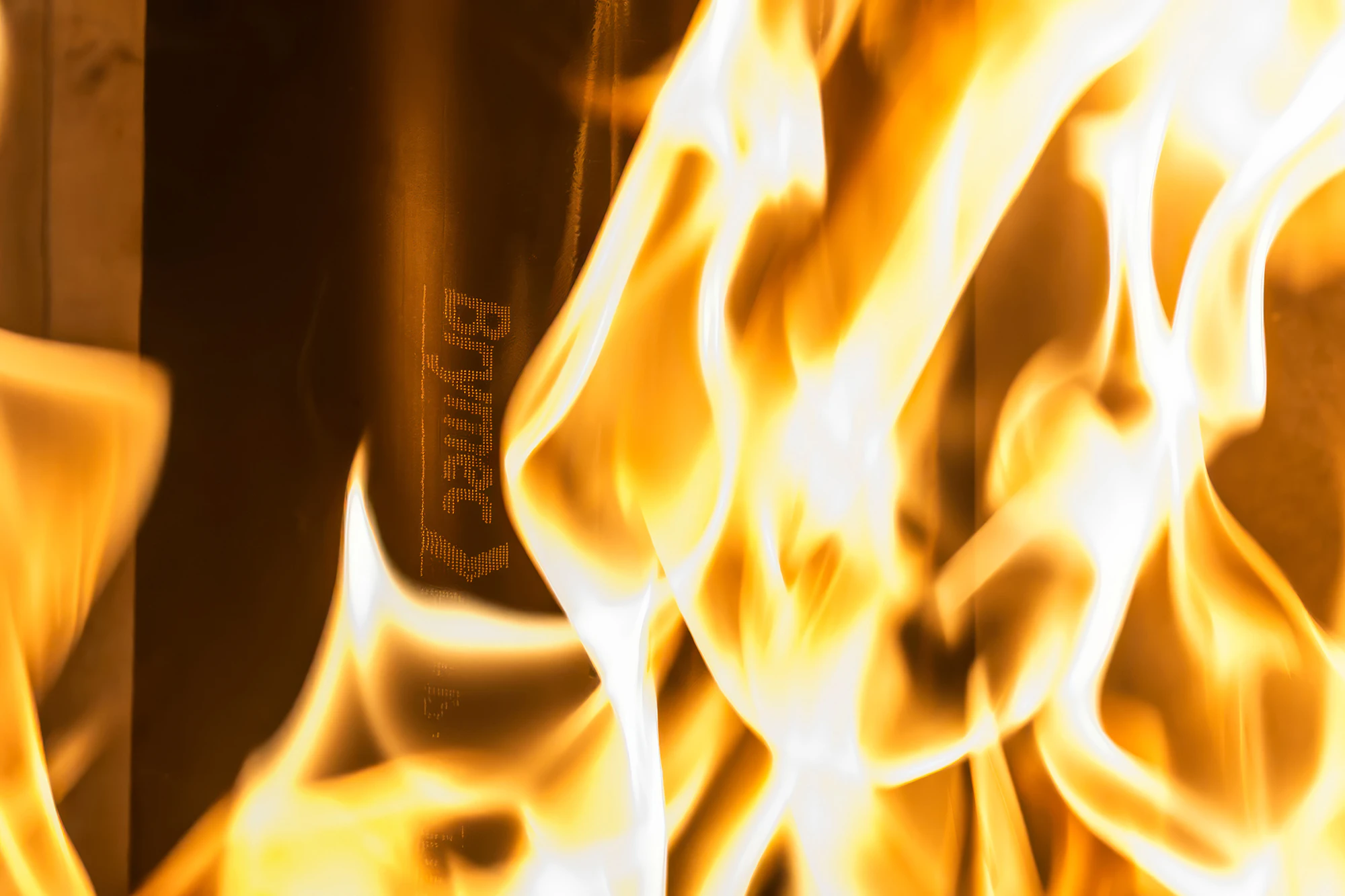
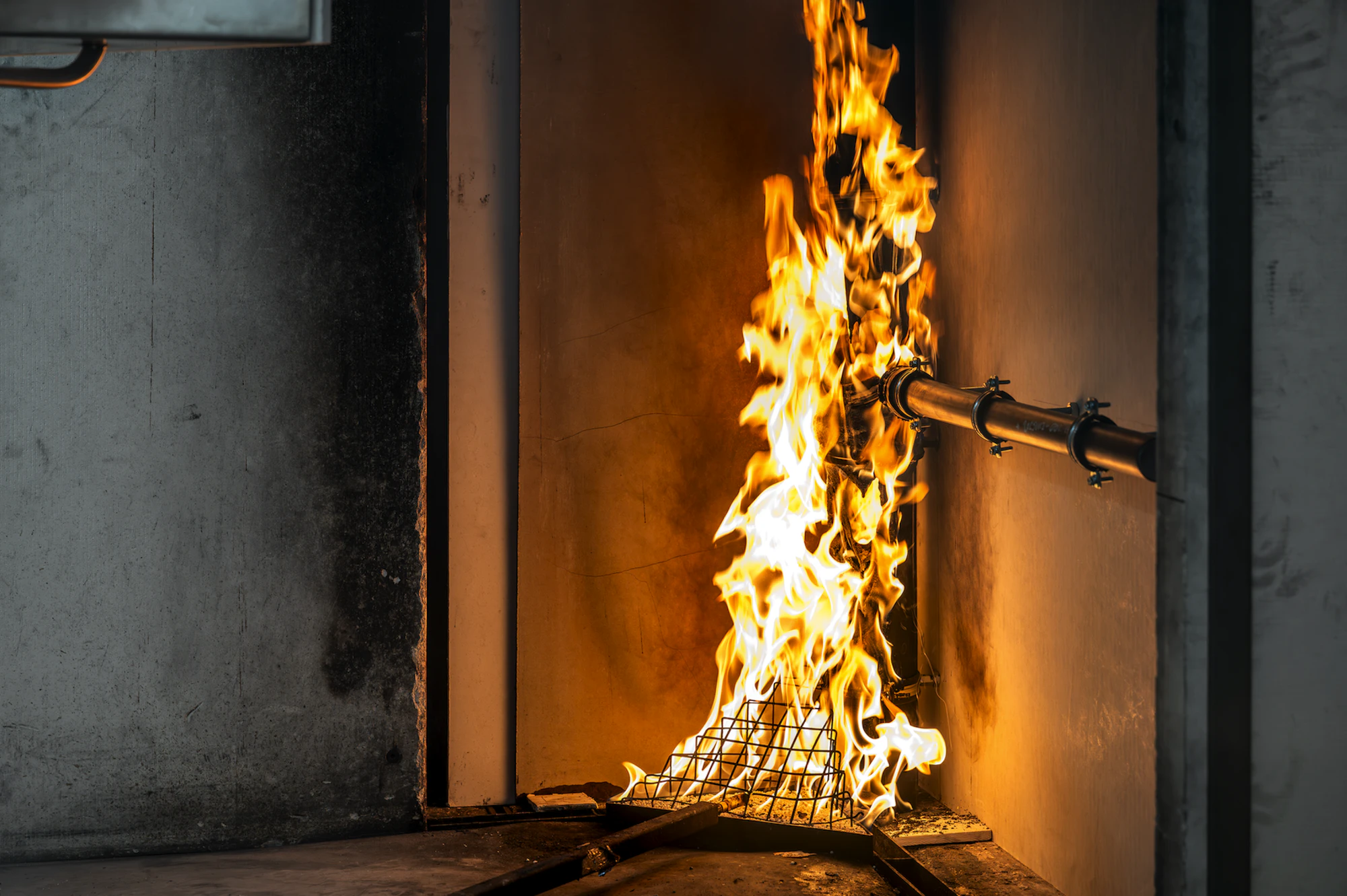
Brymec invest in using the highest-level UKAS accredited test facilities to carry out our testing. Our testing programme focuses on reaction to fire, which assesses how products contribute to the development of a fire.

Under BS EN 1301-1, products are classified according to:

  • Reaction to fire performance (A1 to F)
  • Smoke production (s1 to s3)
  • Flaming droplets and particles (d0 to d2)

The classifications provide a more detailed understanding of how products behave during a fire event.

Smoke production is a particularly important consideration. Reduced visibility can hinder evacuation and emergency response, while smoke inhalation remains one of the primary causes of fire related fatalities.

Flaming droplets and particles are also significant, as they can cause secondary ignition of adjacent materials, contributing to fire spread and increasing risk to occupants and surrounding building elements.

Understanding these classifications enables project teams to make informed decisions using documented performance data rather than assumptions based solely on material type.

Looking Beyond Minimum Requirements

Not every drainage system standard requires manufacturers to publish fire performance information in the same way.

While Brymec Cast Iron Drainage is covered by EN 877, products such as HDPE, PVC-U and Polypropylene Acoustic Drainage do not have the same designated fire declaration requirements.

Rather than relying on assumptions about performance, Brymec voluntarily commissioned independent testing through UKAS accredited laboratories and produced Product Performance Declarations for these systems; with the purpose to accurately communicate how our products behave in fire conditions.

For consultants, this provides greater clarity during product selection and specification. For contractors, it provides documented evidence that can support technical submissions and project compliance requirements.

Most importantly, it replaces uncertainty with verified performance data.

Providing Evidence, Not Assumptions

Brymec’s commitment to transparency extends beyond fire performance. Recent investments in the Brymec Technical Resource Library and MyBrymec portal and our presence on NBS reflect the same objective. We ensure information is accessible, current, and supported by evidence.

Brymec’s fire testing programme has been developed with that requirement in mind.

For more information on Brymec fire safety and certifications, get in touch!