The Comprehensive Guide to Pipe Insulation Materials

Pipe insulation is used to manage heat transfer, condensation risk and system efficiency. Selecting the right material and specification is key to achieving consistent performance in UK conditions.
Author: Charlotte Dale

Charlotte Dale

Pipe insulation is used to control heat transfer, manage condensation risk, and support system efficiency across commercial, residential and industrial applications. In UK conditions, where ambient temperatures and humidity can vary, correct specification is key to maintaining performance.

The selection of insulation should be based on operating conditions, environmental exposure and required thermal performance, rather than material preference alone.

In this comprehensive guide, we discuss the most common pipe insulation materials and the key considerations for specification.
Functions of Pipe Insulation

Pipe insulation is applied to manage system performance and mitigate operational risks:

  • Freeze protection: Insulation slows heat loss from pipe contents, reducing the risk of freezing in low ambient temperatures. This limits expansion-related damage and system failure.
  • Heat loss / gain control: Insulation restricts thermal transfer between pipework and surrounding air, improving energy efficiency and maintaining system temperatures.
  • Condensation control: By maintaining surface temperatures above dew point, insulation reduces condensation formation, lowering the risk of corrosion, mould and moisture damage.
  • Acoustic performance: Insulation materials can reduce noise transmission through pipework, depending on density and composition.
  • Energy efficiency: Reducing uncontrolled heat loss or gain supports lower system energy demand and improved overall efficiency.

The Most Common Types of Insulation

Several different types of materials can be used for pipe insulation, each coming with its own unique strengths and weaknesses.

Fibreglass

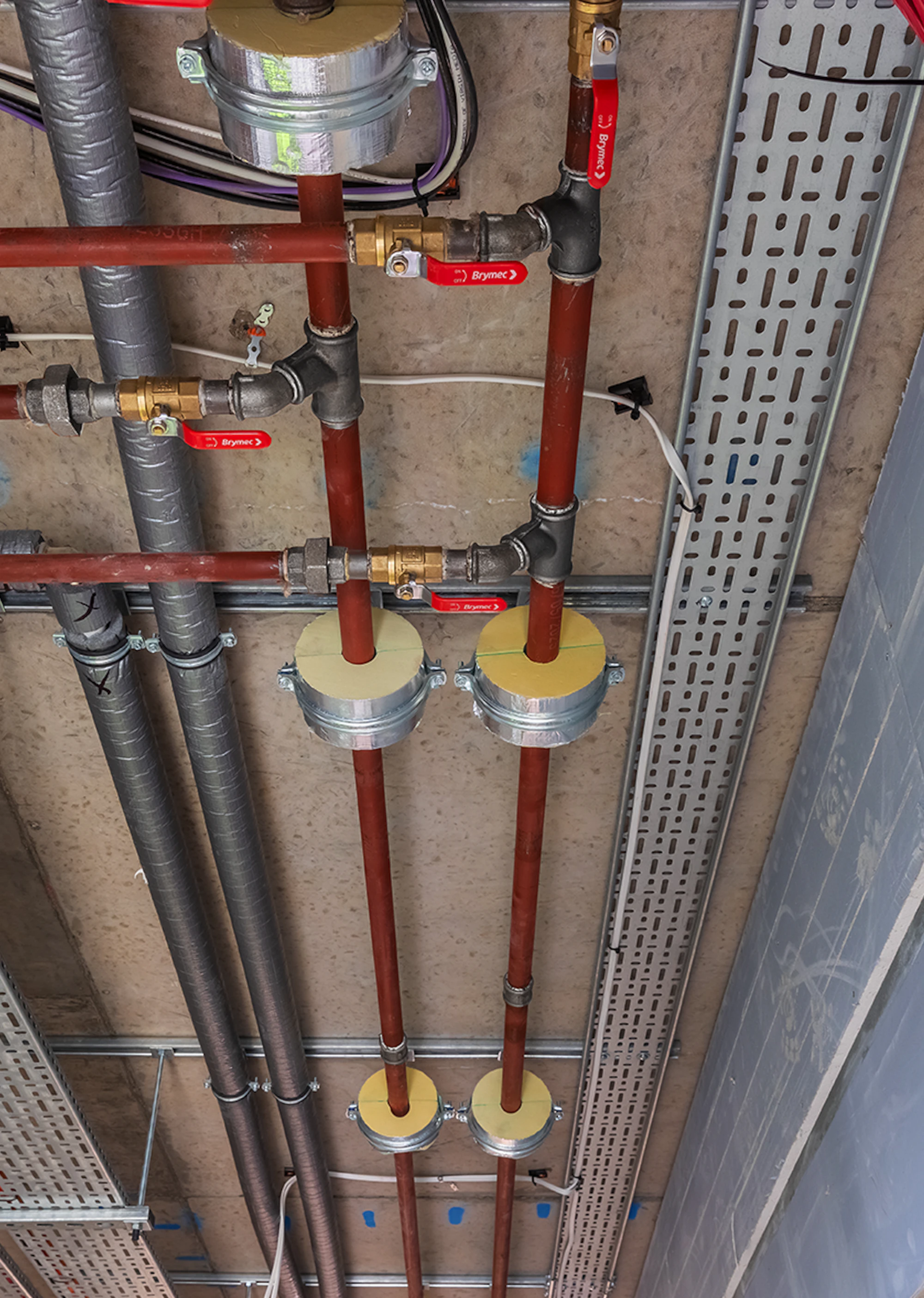
Fibreglass insulation consists of fine glass fibres formed into a low-density matrix.

While primarily used to limit heat transfer between pipework and the surrounding environment, fiberglass insulation also enhances acoustic performance. It provides good combustibility, fire performance, and condensation control.

Fibreglass is commonly used in commercial and domestic applications. Care is required during installation due to fibre irritation risks.

Foam

Foam insulation is typically supplied as either:

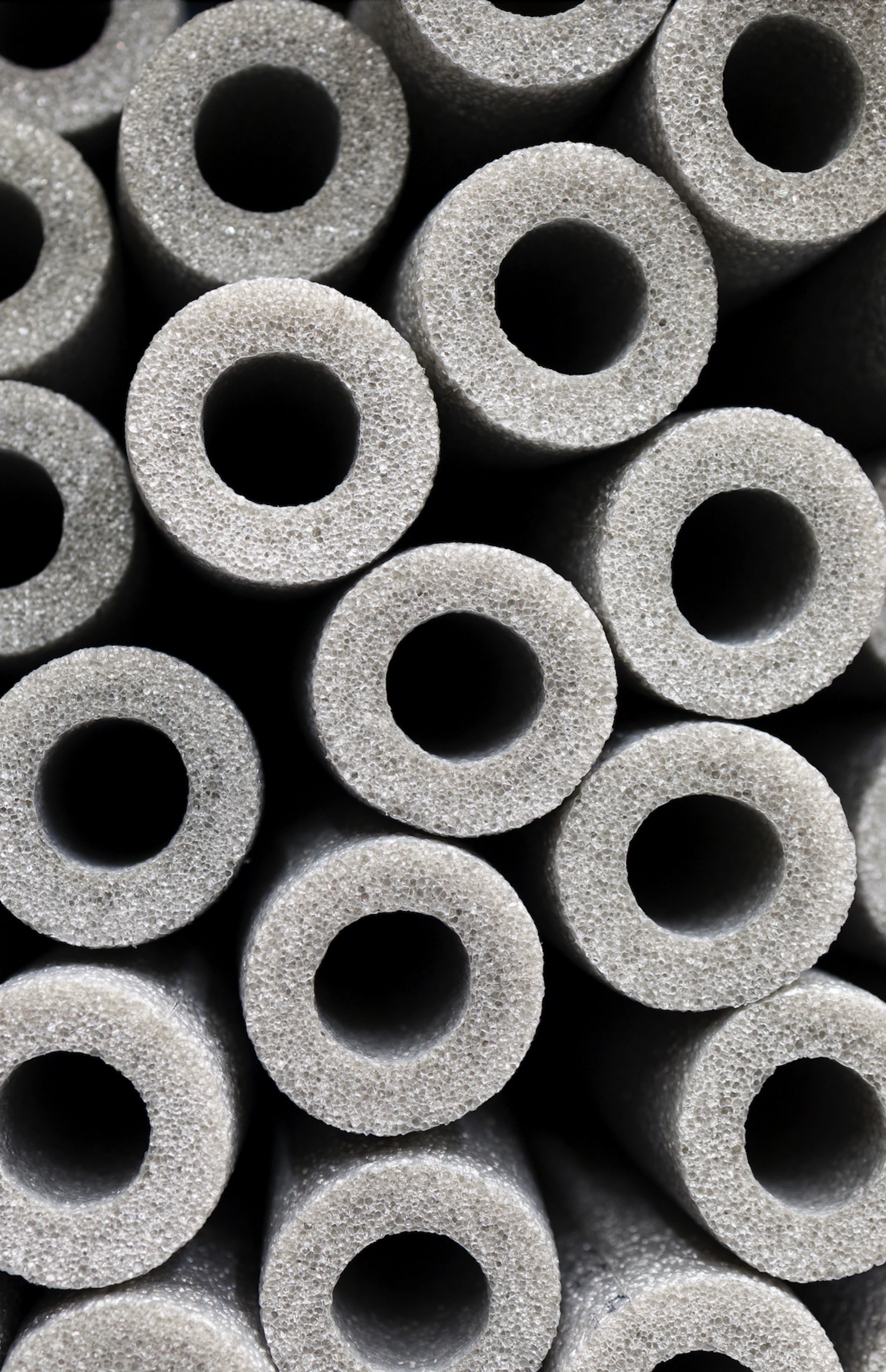
  • Polyurethane (PUR): Commonly used for heating and domestic pipework, operating within a typical range of -50°C to 135°C.
  • Polyethylene (PE): More flexible, with good water resistance. Suitable for straight pipe runs, typically operating between -80°C and 105°C depending on grade.

Both materials provide thermal resistance and some acoustic dampening but have limited fire performance and are susceptible to damage if exposed.

Mineral Wool

Mineral wool is used across commercial and industrial systems where higher temperature resistance is required.

It can withstand temperatures in excess of 600°C and, due to its high fibre density, supports both thermal and acoustic performance.

However, mineral wool loses performance if it becomes wet and does not dry easily. Saturated sections typically require replacement rather than repair.

Reflective Foil

Reflective foil insulation typically consists of layered aluminium foil combined with polymer or foam layers.

It reduces radiant heat transfer when installed with an appropriate air gap. Performance is application-dependent and generally limited in low-temperature or high-conduction scenarios.

It is therefore not typically used as a primary insulation material for pipework requiring significant thermal resistance.

Rubber

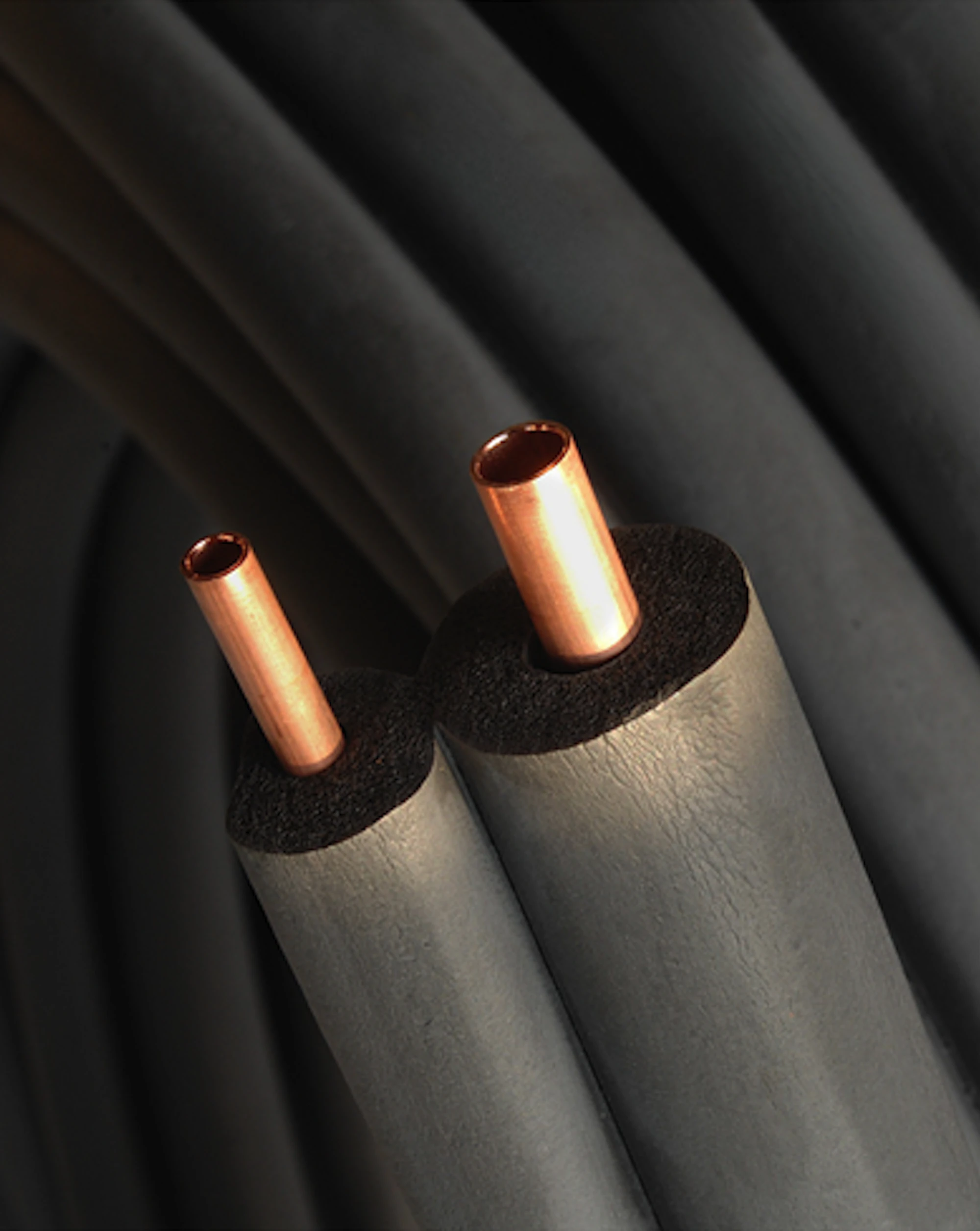
Elastomeric rubber insulation is a flexible, closed-cell material commonly used for chilled water and HVAC systems.

It offers strong resistance to water vapour ingress and is effective for condensation control. Typical operating temperatures range from approximately -50°C to 110°C.

Fire performance is generally lower than mineral-based insulation and should be assessed against project requirements.

Key Specification Considerations

Choosing the right pipe insulation material involves a careful consideration of the exact needs of your project. The following factors should always be taken into account when deciding on the type of materials that are required. 

  • Temperature Range: Ambient conditions, including exposure to frost, heating flow temperatures, or chilled services. Matching the insulation’s service temperature to these factors will help ensure it performs effectively under operating conditions. Select insulation thickness based on the required level of heat loss control, freeze protection, or condensation control, rather than material type alone.
  • Moisture Resistance: Moisture can cause issues with pipes, particularly indoors where mould and damp can be a factor.
  • Fire Performance: The fire safety requirements of your building application must be considered and evaluated against the current standards.
  • Ease of Installation: Assessing the complexity of new installations can help with the choice of insulation to be used. Consider the available space and whether the insulation can easily be replaced if necessary.
  • Costs: While cost is a significant factor, it’s crucial to consider long-term savings. Higher upfront costs for premium insulation materials may be offset by energy savings and increased durability over time.
  • Environmental Considerations: Today, there is a high demand for new buildings to be more eco-friendly Sustainability is gaining prominence in insulation material choices. Therefore, contractors should carefully consider eco-friendly options to reduce their carbon footprint.

Industry Standards and Regulations

Understanding and adhering to industry standards and local building codes is essential for ensuring safety and regulatory compliance. In the UK, there are strict guidelines on the regulations and standards regarding insulation in new builds. Click here for more information.

Maintenance and Lifespan

Regular maintenance can help extend the service life of pipe insulation, although requirements will vary depending on the material used. Consultants should therefore account for ongoing inspection and upkeep as part of the overall system performance.

Selecting the most suitable pipe insulation requires matching the material to the pipe temperature, environmental exposure, fire requirements and moisture conditions. Correct insulation thickness, vapour sealing and installation quality are equally important in achieving effective long-term performance.

Get in contact!

For specification or installation guidance, contact our technical team.