
Sustainability is becoming an increasingly important factor in construction, driven by net-zero commitments, embodied carbon reduction targets and growing expectations around environmental transparency.
As developers, consultants and contractors seek to align projects with evolving industry frameworks such as the UK Net Zero Carbon Buildings Standard, material selection is no longer based solely on performance, compliance and cost.
Materials that remain in service for decades while supporting circular economy principles will help reduce resource consumption and long-term environmental impact.
For both public and private sector projects, this means looking beyond initial installation requirements and considering factors such as embodied carbon, durability, recyclability and whole-life performance.
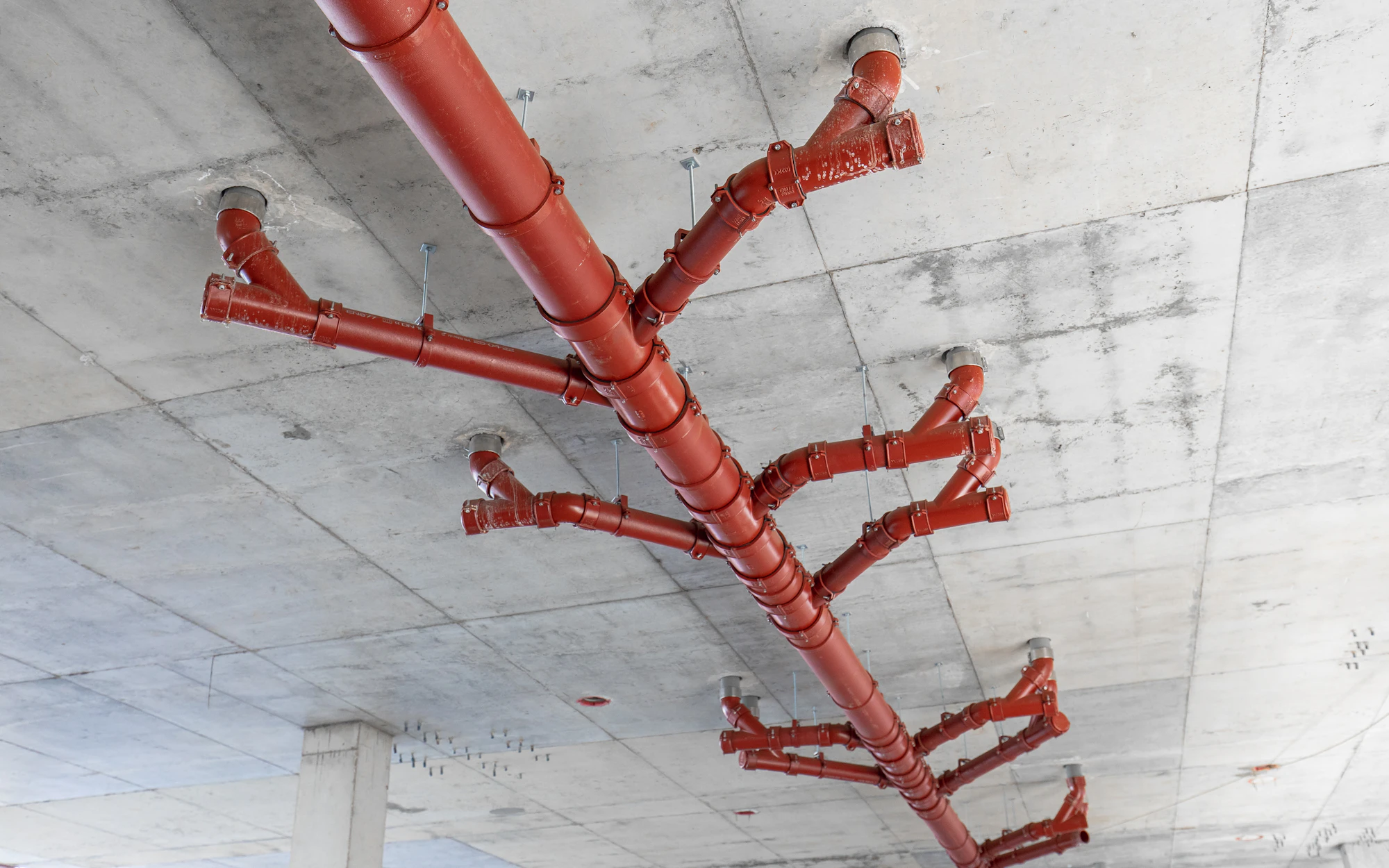
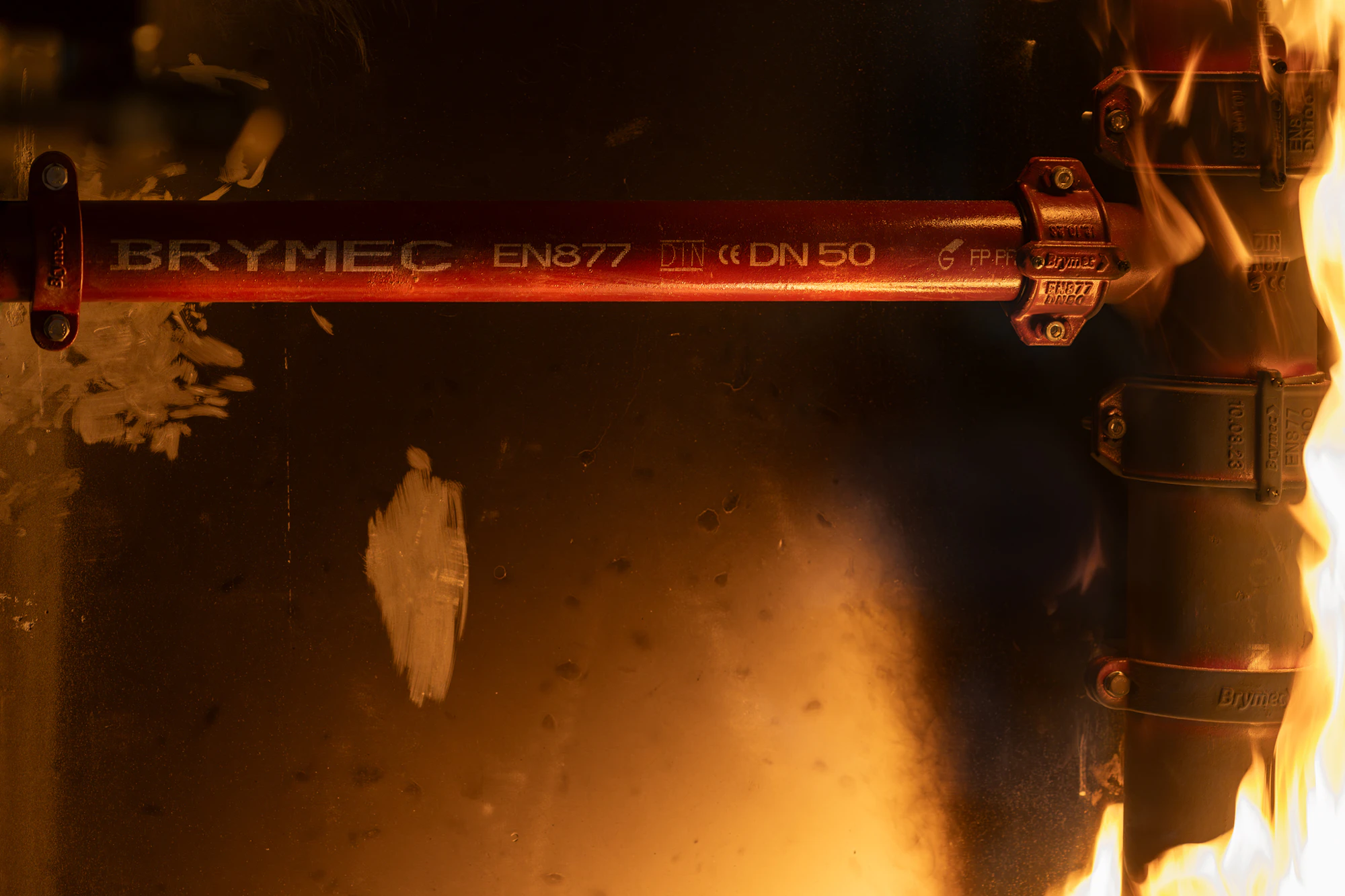
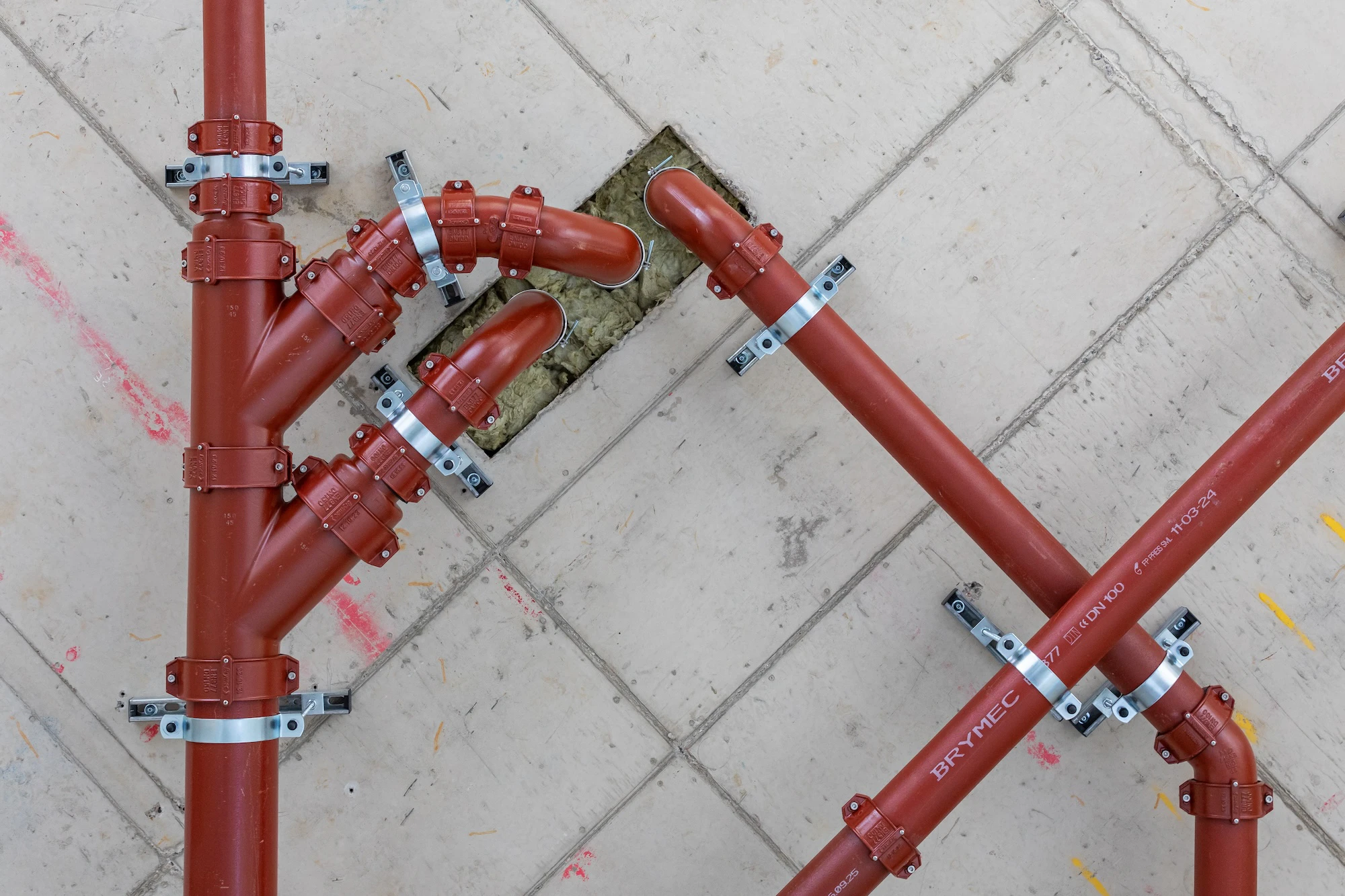
Cast iron drainage systems are widely used across residential, commercial and industrial buildings for soil, waste and rainwater applications. Known for its durability, strength and long-term performance, cast iron has been a trusted solution for decades and continues to be specified on projects where reliability, fire performance and lifecycle value are key considerations. But how does it measure up from a sustainability perspective?