Inside Data Centre World: The Key Challenges Shaping Data Centre Infrastructure Design

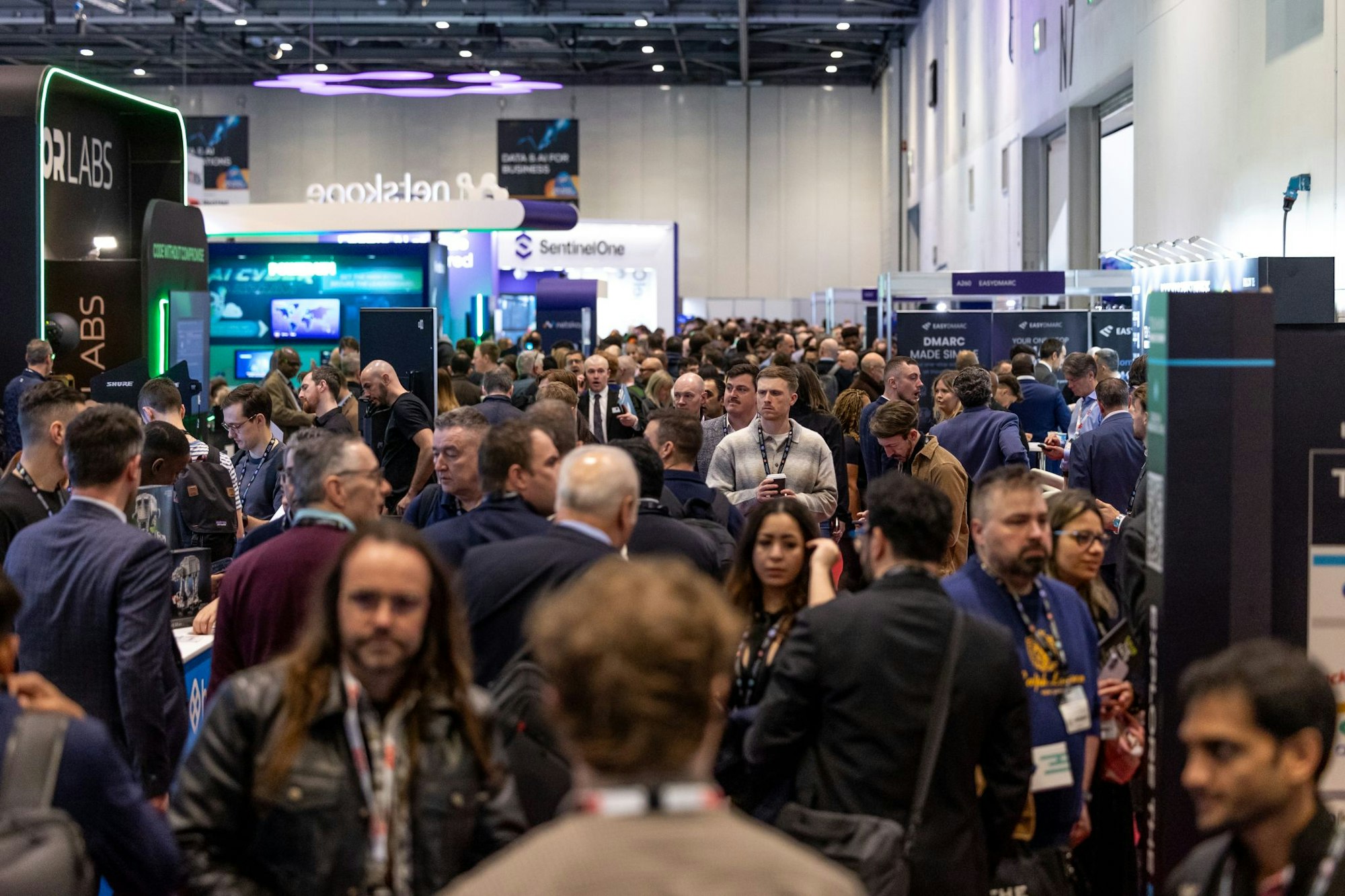
Following a visit to Data Centre World last week, Arne Glass, Specification Manager, shares his key insights on what challenges are shaping Data Centre infrastructure design.

Author: Charlotte Dale

Charlotte Dale

The rapid expansion of data centre infrastructure is reshaping how mechanical and electrical systems are designed, specified, and delivered across the built environment.

Driven by accelerating demand for cloud computing, artificial intelligence, and digital services, data centre development has entered a new phase of scale and complexity. Hyperscale facilities now require highly resilient mission-critical infrastructure, designed to operate continuously within tightly controlled environments while supporting immense computing loads and cooling requirements.

This growth is placing increasing pressure on the professionals responsible for delivering these projects. At the same time, material selection, labour availability, power infrastructure constraints, and reliability requirements are all influencing how projects are specified and delivered.

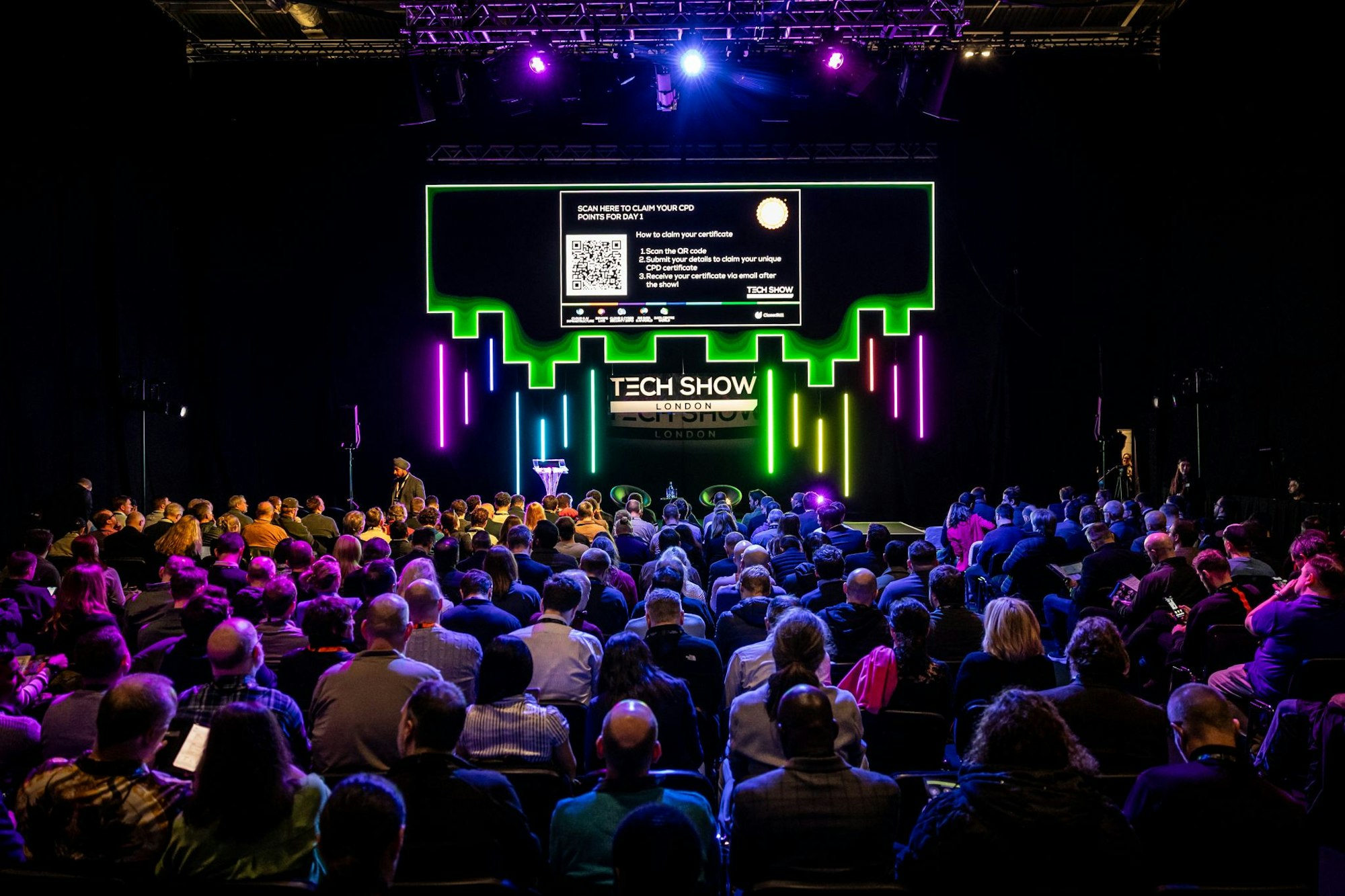
To better understand how these pressures are shaping the sector, Arne Glass, Specification Manager, attended Data Centre World last week. Speaking with consulting engineers and major contractors involved in large-scale developments.

Programme Pressure in Data Centre M&E Design

One of the most consistent themes across conversations at the event was the increasing pressure on programme timelines.

Artificial intelligence platforms, hyperscale cloud services, and global digitalisation are driving demand for data centre infrastructure at a pace few predicted even a decade ago. In some cases, facilities are reaching capacity shortly after becoming operational, prompting rapid expansion or entirely new developments.

As a result, data centre M&E design phases are becoming increasingly compressed, requiring consultants to finalise infrastructure decisions much earlier in the project lifecycle. This leaves limited scope for late-stage design adjustments once construction begins.

For contractors, compressed design timelines translate into tighter installation programmes and greater reliance on clearly defined specifications. Installation teams are expected to deliver complex data centre infrastructure systems within narrow construction windows, placing increased importance on predictable system performance, clear technical documentation, and installation methods that minimise programme risk.

Material Selection in Data Centre Infrastructure Systems

Consultants are increasingly evaluating the performance characteristics of both metallic and engineered plastic pipework systems when designing cooling and mechanical distribution networks.

While traditional metal systems remain widely used due to their familiarity and mechanical strength, engineered plastic systems are gaining attention for specific applications due to advantages such as:

  • Corrosion resistance in closed-loop cooling systems
  • Reduced system weight, supporting prefabrication and modular construction
  • Faster and more efficient installation methods
  • Long-term durability in controlled environments

However, when specifying systems in mission-critical data centre environments, engineers must carefully consider: fire performance and regulatory compliance; thermal expansion behaviour; long-term reliability and system lifecycle; maintenance accessibility, and risk mitigation in continuous operation environments.

The conversation is increasingly shifting away from simple product comparison towards application-specific specification, ensuring materials are selected based on where they perform best within the wider data centre M&E infrastructure.

Talent Shortages and Industry Resourcing

Skills shortages continue to present a challenge across the construction sector, and data centre construction is no exception.

Consultants highlighted ongoing pressure on experienced engineering resource within design teams, particularly as the volume of digital infrastructure projects continues to rise. At the same time, contractors are facing similar challenges when securing skilled installation teams capable of delivering complex mechanical and electrical infrastructure.

These pressures are often intensified for data centre developments located outside major metropolitan areas, where attracting skilled labour can be more difficult and project logistics become more complex.

As a result, project teams are increasingly prioritising systems and design strategies that simplify installation complexity, minimise specialist labour requirements, or streamline commissioning processes.

Prefabrication and Off-Site Assembly

Within large-scale data centre construction projects, off-site assembly allows significant portions of mechanical and electrical infrastructure to be built in controlled factory environments before being delivered to site.

Prefabricated plantrooms, modular skids, and preassembled pipework modules are now commonly used within hyperscale data centre developments. This approach provides several advantages:

  • Improved quality control and consistency
  • Reduced on-site installation time
  • Lower labour requirements during construction
  • Greater predictability within tight project programmes

For consultants, the increasing adoption of prefabrication also influences data centre M&E design strategies. Systems must be designed with modularity, transport limitations, and installation sequencing in mind to ensure prefabricated infrastructure can be integrated efficiently during construction.

Power Availability and Infrastructure Constraints

Despite rapid growth in the sector, access to electrical power remains a significant challenge for many data centre infrastructure developments.

The event highlighted projects that are technically ready to proceed but are delayed due to limited grid capacity in certain regions. Data centres require significant and reliable electrical supply, and in some cases, local utility infrastructure simply cannot keep pace with the speed of new developments.

This challenge introduces additional complexity for consultants responsible for planning data centre M&E infrastructure, particularly when considering redundancy strategies, future expansion capacity, and long-term energy requirements.

It also reinforces the importance of designing infrastructure that operates efficiently within tightly managed energy environments, especially as sustainability targets and energy performance expectations continue to rise across the sector.

Designing Mission-Critical Data Centre Infrastructure

Unlike many other building types, data centres operate within environments where downtime can carry substantial operational and financial consequences. For operators, system resilience is therefore non-negotiable.

Consultants must design infrastructure that delivers exceptional reliability across long operational lifecycles. This includes careful consideration of system redundancy, maintenance access, and the long-term integrity of core infrastructure components such as cooling distribution systems.

Contractors delivering these projects are therefore working to extremely high installation standards, where system integrity, testing, and commissioning processes are tightly controlled to ensure mission-critical infrastructure performs as expected from day one.

Listening to the Industry

Events like Data Centre World allows us to engage directly with consultants, and contractors to better understand the challenges they face, and how the sector is evolving.

While all these pressures discussed are real, they also reflect the opportunities at which digital infrastructure is advancing. With continued innovation in engineering design, prefabrication, materials, and system integration, the industry is well positioned to meet the demands of the next generation of data centre infrastructure projects.

What stood out most at Data Centre World was how much emphasis the industry is placing on certainty – certainty in design decisions, installation timelines, and long-term system performance. With projects moving at such pace, having the right technical support and trusted supply partners becomes increasingly important.

Arne Glass, Specification Manager at Brymec

For consultants and contractors navigating these complex projects, Brymec’s technical teams are always available to support with system selection, specification guidance, and technical advice when needed. Backed by a dependable supply chain, Brymec also delivers accurate, on-time deliveries you can rely on.