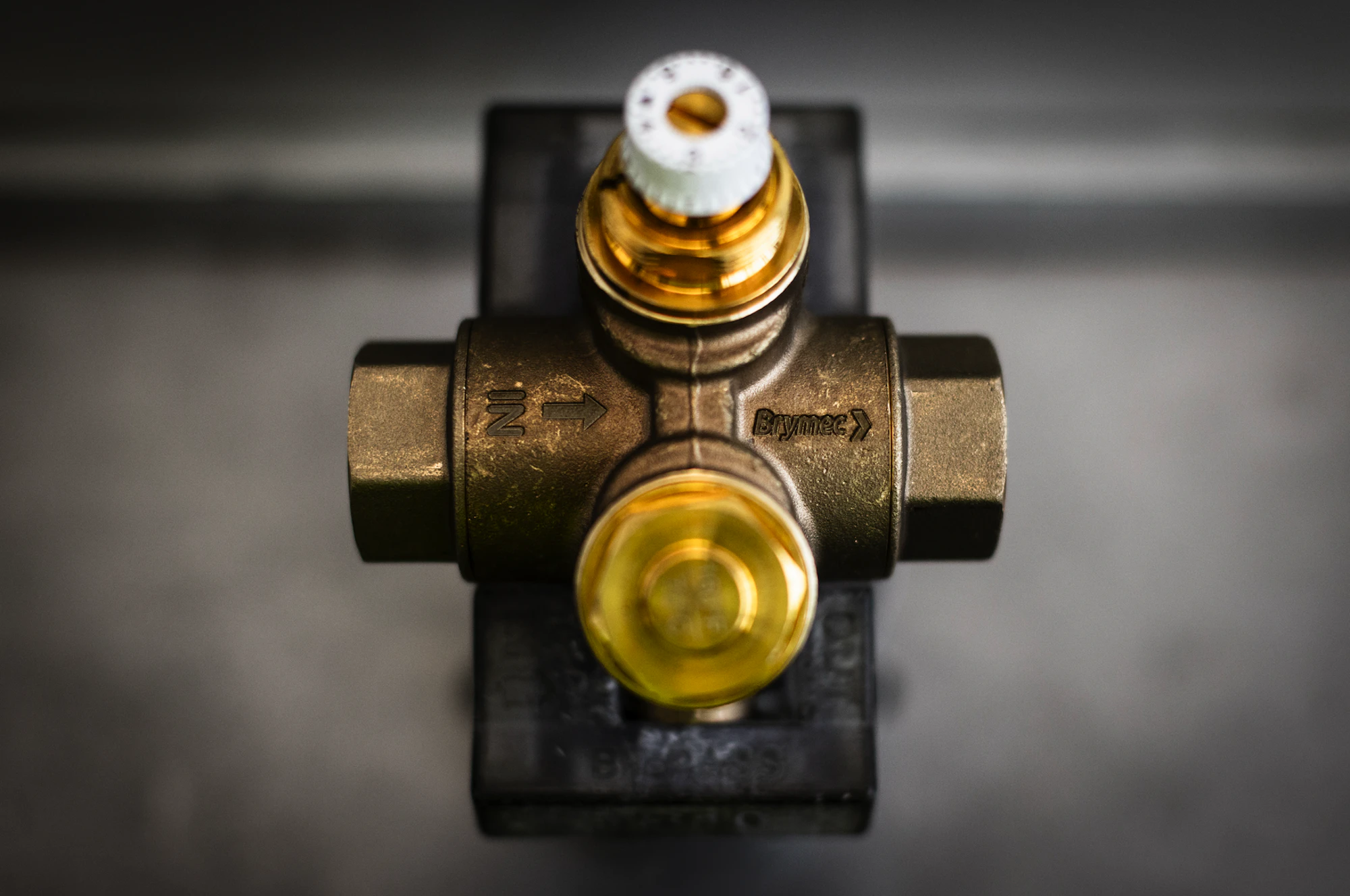

For many healthcare projects, the reduction of lead limits in drinking water can feel like a future compliance issue rather than an immediate design consideration.
Today, the statutory lead limit in drinking water remains 10 μg/L under the Water Supply (Water Quality) Regulations 2016. However, the direction of travel is clear.
The revised EU Drinking Water Directive sets a 5 μg/L parametric value by January 2036. While this is not currently a statutory requirement for healthcare projects in the UK, it is widely viewed as an indicator of the direction in which drinking water standards are evolving. At the same time, the UK Health Security Agency has already reduced its blood-lead intervention threshold for children and pregnant women from 10 μg/dL to 5 μg/dL, reflecting growing evidence that there is no safe level of lead exposure.
For healthcare estates, this creates a challenge that extends beyond compliance. The systems specified and installed today are likely to remain operational well beyond any future regulatory changes. Components selected for a refurbishment in 2026 may still be in service well into the 2050s.
The question is no longer whether lead limits will become more stringent. It is whether current specifications are being developed with the full asset life in mind.