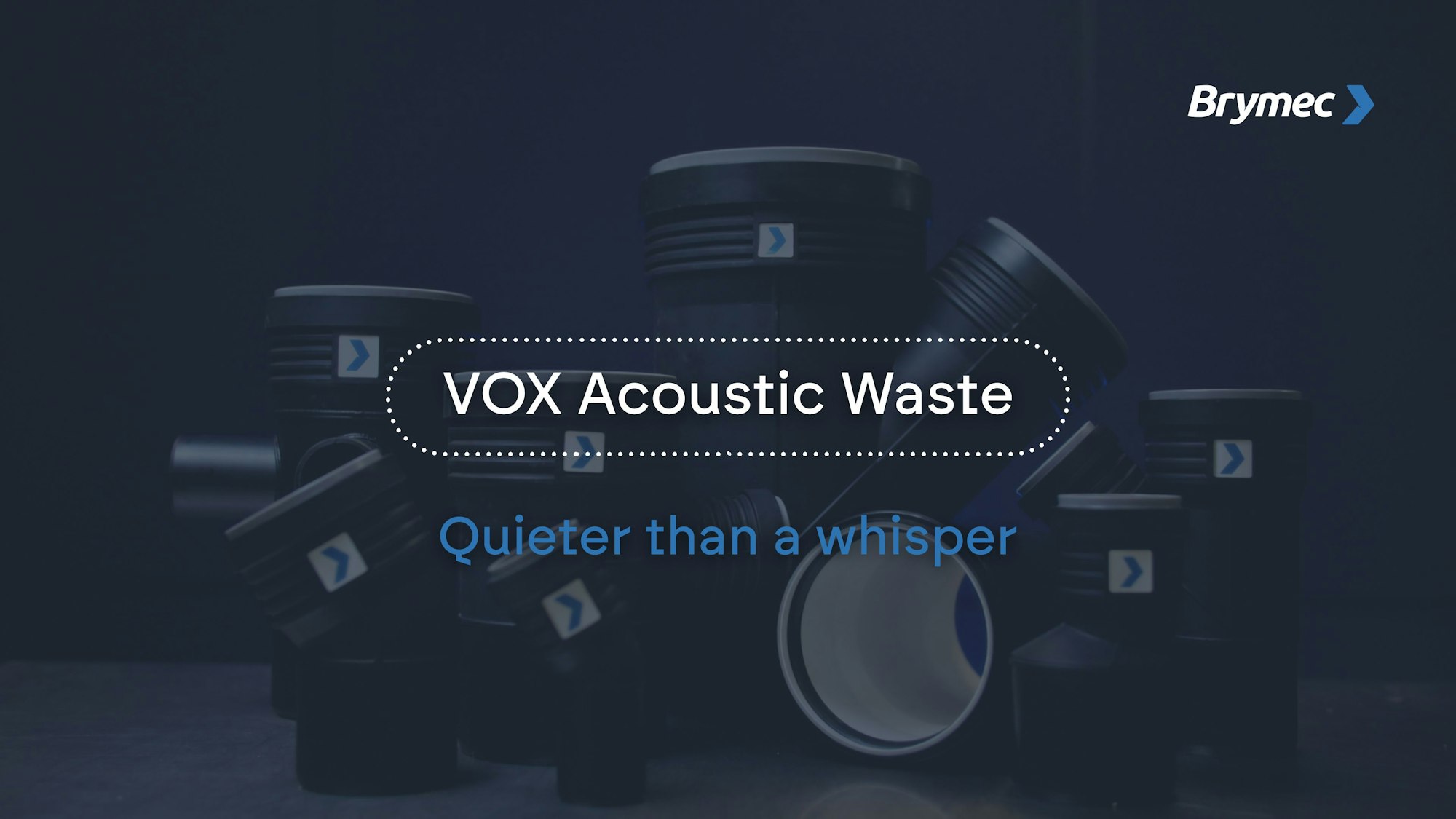
The Cost of Noise

Why drainage design and material selection matters

Author: Steph Shackel

Steph Shackel

The True Cost of Noise in Hospitals, Hotels & Residential Properties

Although noise reduction is considered within the construction and design process by consultants and contractors, the actual cost of noise attributed to occupant health, comfort, and economic performance is often hidden.

The true cost of noise includes the direct, indirect, and reputational consequences of poor acoustic design, particularly in hospitals, hotels, and residential settings.

At the point of specification or installation, the choice of products, even for less obvious areas, such as drainage solutions, can have a significant impact on the total sound level experienced by occupants. Careful consideration of sound level within drainage can be a key differentiating factor for a consultant or contractor’s project.

In this article, we explore why noise matters, provide a focus on drainage noise, discuss risk factors and opportunities, and introduce a new solution – Brymec VOX Acoustic Waste.

Why Noise Matters

Noise is not just an annoyance to those who experience it; it is a quantifiable liability. If we consider the most vulnerable occupants, such as those in a hospital, the sound levels are quite shocking.

  • In a recent cohort study at the Royal Liverpool University Hospital ICU, all measured continuous (LAeq) and peak (LAmax) noise levels exceeded both UK and international recommended guidelines. Even the lowest recorded minimum levels were around 44.2 dB(A)1, which is barely lower than the World Health Organisation’s (WHO) daytime guidelines.
  • In the UK, about 40%2 of hospital patients are disturbed by noise at night, and some measurements in ICUs have recorded sound levels over 100dB (A), which are comparable to levels in loud music or heavy traffic, according to a King’s College study.

These are not just comfort issues; elevated noise can lead to poorer sleep, increased stress, delayed recovery, degraded staff performance, a higher risk of errors, lower patient satisfaction, regulatory scrutiny, and reputational damage. A study by the WHO found that 1.6 million3 Disability-Adjusted Life Years (DALYs) are lost due to environmental noise in Western European countries.

Occupants Guiding Priorities

In hotels and residential properties, guest reviews and resident complaints related to noise (especially plumbing or adjacent noise) can reduce occupancy, decrease repeat business, trigger refunds, or demand remediation.

Hotels, such as Quiet Parks, are even going as far as to offer quiet guarantees as a competitive differentiator4; they estimate that the majority of complaints in hotels are due to sound, and that people are willing to pay more for a good night’s sleep.

We tend to think of noise reduction as decreasing complaints, but occupants are driving a premium for quiet spaces that will pay for themselves. Noise reduction is emotionally important for occupants; it is closely tied to homes built with comfort in mind after a hard day, a hotel that understands the need for restful sleep during work trips, or a hospital where noise reduction can support healing. Like many noise-cancelling specifications, quieter drainage can be the unsung hero seen only by specifiers and contractors, but not heard.

Drainage & Plumbing Noise

When we think of noise, it’s easy to consider the more obvious suspects in a building, such as mechanical elements or noise reduction techniques, when specifying or installing. However, total sound levels are often cumulative (not linear but logarithmic) – they add up in small increments. Drainage solutions contribute to the incremental increase in sound level and are often missed.

Although there is less peer-reviewed measurement data on drainage noise, the Building Regulations Approved Document E (England)5 mandates minimum airborne sound reduction targets in certain circumstances. It sets out requirements for controlling noise transmission between and within dwellings, including from building services such as drainage and plumbing. It requires “reasonable resistance” to airborne and structure-borne sound.

Aside from regulation, if there is an opportunity to specify or install a less noisy drainage solution that is cost-effective and improves an occupant’s experience, it makes sense. Noise is not a soft factor; it’s a consideration in risk, brand, and cost.

VOX: Quietness Redefined

Fortunately, quieter drainage solutions are now available, and importantly, are easy to install and maintain, making it easy to justify a noise-reduction solution.

One of the solutions available to do this is our VOX Acoustic Drainage.

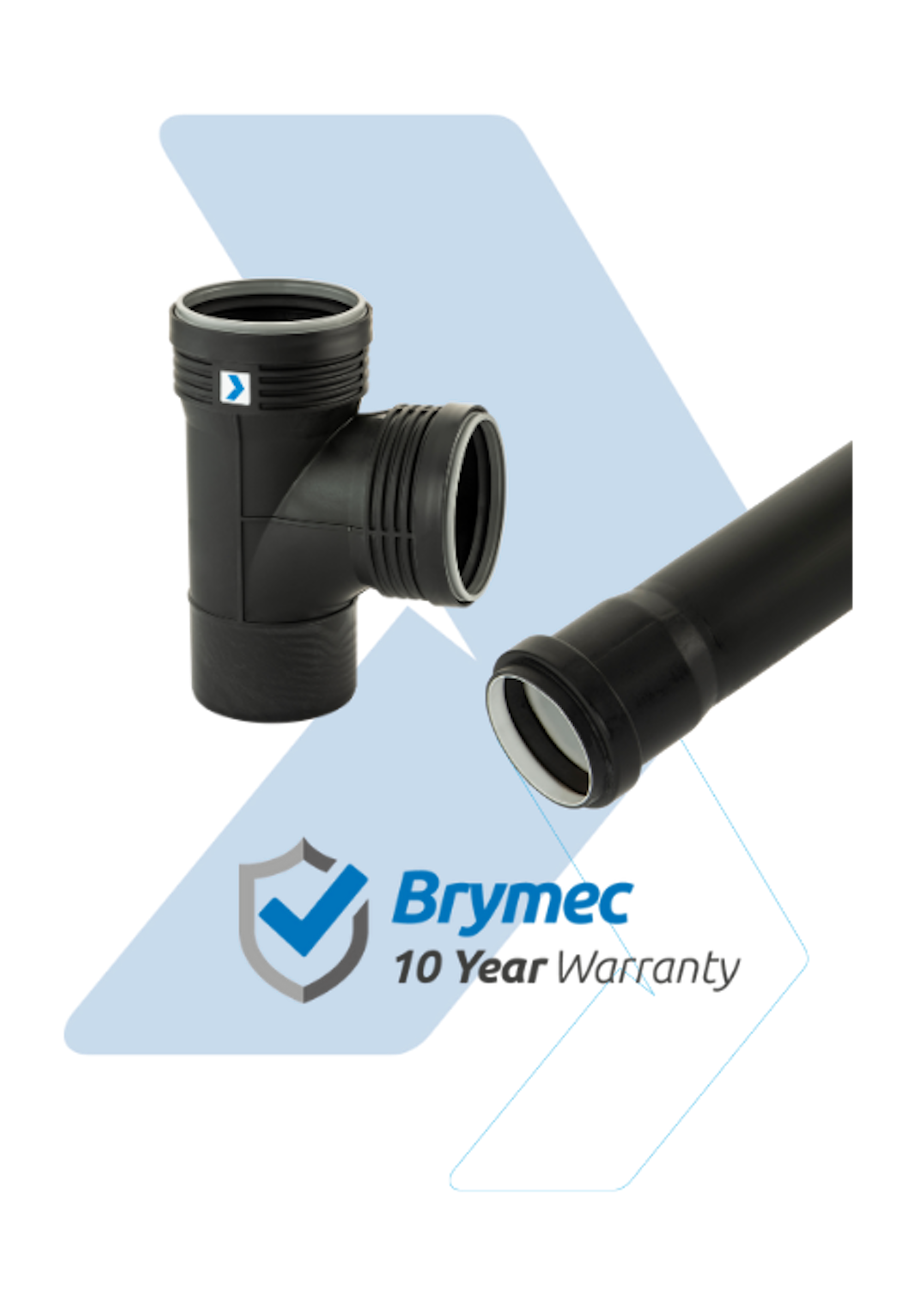
VOX achieves an impressive 12dB sound output, quieter than a whispered voice (typically around 20dB). This performance is certified to BS EN 14366, ensuring reliable noise attenuation without the need for additional lagging or insulation. The system features a three-layer co-polymer polypropylene structure, which enhances durability and provides outstanding sound insulation and chemical resistance, offering long-term performance. We’ve also included a unique co-moulded double-lip seal to address common issues found in traditional push-fit systems, ensuring a more reliable, leak-proof connection that reduces the risk of installation errors and maintenance issues.

brymec vox acoustic waste fittings

Backed by a 10-year warranty, VOX offers peace of mind to both consultants and installers, ensuring that the system performs as expected throughout its lifespan. By specifying VOX Acoustic Waste, consultants and installers can exceed expectations.

For more information or to discuss your project needs, visit VOX Acoustic Waste.

Sources:

  1. Ahmed, S., et al. (2020) Noise and sound in the intensive care unit: a cohort study. Available at: https://research.lstmed.ac.uk/en/publications/noise-and-sound-in-the-intensive-care-unit-a-cohort-study-2 (Accessed: 8 October 2025).
  2. King’s College London (2017) Noise pollution in hospitals: a rising problem. Available at: https://www.kcl.ac.uk/news/noise-pollution-in-hospitals-a-rising-problem (Accessed: 8 October 2025).
  3. WHO (2011) Burden of Disease from Environmental Noise. Available at: https://www.who.int/publications/i/item/burden-of-disease-from-environmental-noise-quantification-of-healthy-life-years-lost-in-europe (Accessed: 15 October 2025)
  4. Quiet Parks International (n.d.) Quiet Stay Certification. Available at: https://www.quietparks.org/quiet-stay-certification (Accessed: 8 October 2025).
  5. GOV UK  (2013) Resistance to sound: Approved Document E. Available at: https://www.gov.uk/government/publications/resistance-to-sound-approved-document-e (Accessed 15 October 2025)